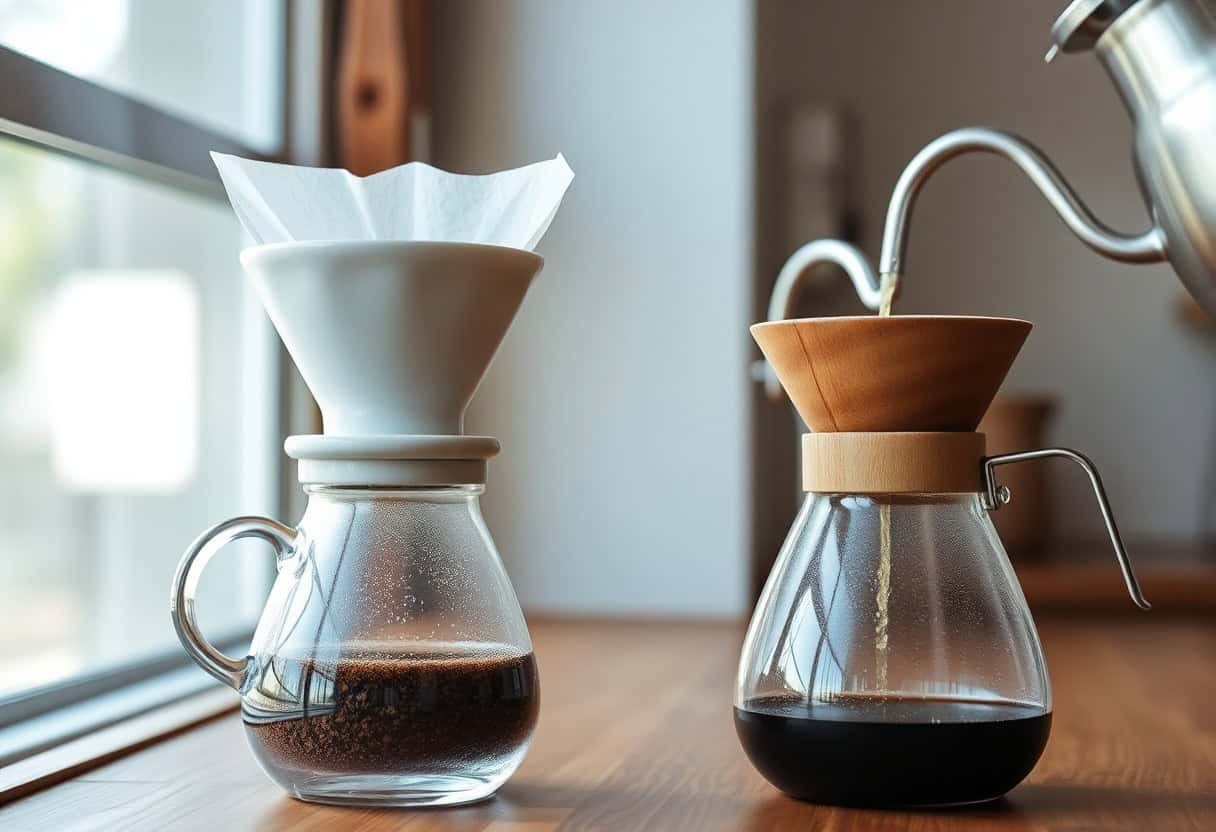
Paper vs Metal Filter: paper removes the oily diterpenes linked to cholesterol, while metal keeps body and flavour. Below, the full paper vs metal filter breakdown for a healthier cup.
Table of Contents

Coffee brewed with a paper filter removes harmful diterpenes like cafestol, which can raise cholesterol levels. Metal filters allow more oils and compounds to pass through, offering richer flavor but potentially impacting heart health. You decide based on taste and wellness priorities.
Key Takeaways:
- Paper filters trap oils and fine coffee particles, producing a cleaner, sediment-free cup that may reduce intake of compounds like cafestol, which can raise LDL cholesterol.
- Metal filters allow more natural oils to pass through, enhancing flavor richness but potentially increasing cholesterol impact due to higher levels of diterpenes in the final brew.
- Unbleached paper filters avoid chemical residues, making them a safer choice for those concerned about trace contaminants from the filtering material itself.
- Metal filters are reusable and eco-friendly, but require thorough cleaning to prevent oil buildup that can spoil taste and introduce harmful bacteria over time.
- The healthiest choice depends on individual priorities-heart health may favor paper, while environmental concerns and flavor depth may lead some to prefer well-maintained metal filters.
Paper vs Metal Filter — The Lipid Question: Diterpenes and the Heart
What Are Diterpenes and Why Should You Care?
You’ve likely never heard of cafestol and kahweol, but these natural compounds in coffee oil-called diterpenes-play a powerful role in how your morning brew affects your body. Found in the fatty fraction of coffee, they’re released during brewing and can end up in your cup depending on the filter you use. These diterpenes are among the most potent cholesterol-elevating agents ever discovered in the human diet, capable of raising LDL (the “bad” cholesterol) and total cholesterol levels when consumed regularly.
How Filters Influence Diterpene Levels
Every time you brew coffee, the filter acts as a gatekeeper for what ends up in your mug. Paper filters are highly effective at trapping oils containing cafestol and kahweol, reducing their presence in your drink by over 95%. This means that if you use a paper filter, you’re consuming very little of these cholesterol-raising compounds. Switching to a metal filter, however, allows these oils-and the diterpenes they carry-to pass freely into your coffee, increasing your daily exposure with every cup.
The Heart Health Implications
Your cardiovascular system responds directly to the compounds you ingest, and diterpenes are no exception. Long-term consumption of unfiltered coffee-like that made with a metal filter-has been linked in multiple studies to measurable increases in LDL cholesterol and triglycerides. While coffee offers antioxidants and other benefits, this trade-off matters, especially if you have a family history of heart disease or elevated cholesterol. Drinking five or more cups daily through a metal filter can raise cholesterol levels as much as eating high-fat foods, undermining some of coffee’s protective effects.
Are All Metal Filter Coffees Equal?
Not every metal-filtered brew delivers the same dose of diterpenes. Factors like brew time, coffee grind size, and water temperature influence how much oil makes it into your cup. French press, often compared to metal-filter pour-over methods, typically extracts more oils due to prolonged contact between water and grounds. Even among metal filter pour-overs, tighter mesh or dual-layer designs may reduce lipid transfer slightly. Still, no metal filter comes close to the lipid-blocking power of paper. You should assume that any metal-filter method will deliver a significant amount of cafestol unless proven otherwise.
The Paper Barrier: A Microscopic Sieve
How Paper Filters Work at the Molecular Level
Each sip of coffee brewed through a paper filter passes through a dense matrix of cellulose fibers, forming a microscopic sieve
that traps more than just grounds. These fibers, typically 10 to 20 microns in pore size, block fine particles and oily compounds that would otherwise flow freely into your cup.
You’re not just filtering sediment-you’re engaging in a subtle purification process that alters the chemical profile of your brew. The paper captures substances like cafestol and kahweol, two diterpenes found in coffee oils known to
raise LDL cholesterol levels when consumed in excess.
What You’re Not Drinking-And Why It Matters
Your body responds differently to filtered coffee because of what’s been removed. Without paper filtration, metal filters allow nearly all suspended oils to pass through, delivering a richer mouthfeel but also increasing your intake of compounds linked to cardiovascular strain over time. Studies show that unfiltered coffee consumption correlates with measurable increases in total and LDL cholesterol, especially in individuals drinking four or more cups daily. By choosing paper, you’re reducing exposure to these bioactive oils, a subtle but meaningful shift in long-term health outcomes.
The Trade-Off Between Purity and Flavor
Paper filters deliver a cleaner cup, but that clarity comes at a cost. Some aromatic volatiles and subtle flavor compounds bind to the paper or get trapped in the filter bed, slightly muting the complexity of certain beans. You may notice your light roasts taste less vibrant or your single-origin profiles feel flattened. Still, this trade-off favors metabolic health, especially if you have a predisposition to high cholesterol or heart conditions. The removal of harmful lipids outweighs minor sensory losses for many health-conscious drinkers.
Metal Permeability: The Price of Body and Mouthfeel
How Oil Changes Your Coffee Experience
You’ve likely noticed how coffee brewed with a metal filter feels heavier on the tongue-this is no accident. Metal filters allow natural oils from coffee grounds to pass freely into your cup
, unlike paper, which traps them. These oils carry flavor compounds that deepen the taste, giving your coffee a richer, more textured profile.
While this may enhance sensory enjoyment, it also means you’re consuming more lipid-soluble substances, including some that could affect cholesterol levels over time.
The presence of these oils isn’t inherently harmful, but their long-term impact deserves attention, especially if you drink several cups daily.
The Hidden Trade-Off in Full-Bodied Brews
Your preference for a bold, syrupy cup might come at a metabolic cost. Compounds like cafestol and kahweol, found in coffee oils, are known to raise LDL cholesterol
, and metal filters do little to block them. Paper filters, in contrast, reduce these substances significantly. If heart health is a concern, this difference matters.
You’re not just choosing a texture-you’re deciding how much of these bioactive oils enter your system. For some, the trade-off is worth it; for others, especially those with existing cholesterol issues, it may be wiser to limit exposure.
Texture vs. Long-Term Wellness
That satisfying mouthfeel from a metal-filtered brew isn’t just about taste-it’s a physical sensation created by suspended particles and oils. While paper delivers a cleaner, brighter cup, metal retains fine sediments and lipids that contribute to body. This fullness can mask bitterness or imbalance in lower-quality beans
, making flaws less obvious. But clarity in flavor often supports better brewing habits, encouraging attention to bean quality and grind size.
You’re not just tasting coffee-you’re experiencing the consequences of filtration choices that shape both flavor and health outcomes over time.
The Antioxidant Harvest: Comparing Bioavailability
How Filters Influence Nutrient Extraction
Every time you brew coffee, you’re not just extracting flavor-you’re pulling out a complex mix of bioactive compounds, including antioxidants like chlorogenic acids and polyphenols. The type of filter you use plays a direct role in how much of these beneficial substances make it into your cup. Paper filters, while effective at removing oils and sediment, also trap a significant portion of these valuable antioxidants. Studies show that metal filters allow more of these compounds to pass through due to their larger pore size and lack of absorbent material. This means you may be getting a richer antioxidant profile when using a metal filter, enhancing the health potential of your daily brew.
Direct Comparison of Antioxidant Levels
Your choice between paper and metal isn’t just about texture or cleanup-it’s a decision that affects what your body absorbs. Research analyzing brewed coffee from both filter types consistently shows higher concentrations of free radical-fighting compounds in metal-filtered coffee. While paper filters improve clarity by absorbing oils, they also remove fat-soluble antioxidants bound to those oils. Metal filters preserve this connection, delivering a more complete phytochemical profile. You’re not just tasting more coffee-you’re consuming more of its natural protective elements. For those seeking maximum health return from their beans, this difference is measurable and meaningful.
| Filter Type | Antioxidant Bioavailability |
| Paper Filter | Reduces chlorogenic acids by up to 30%; traps oil-bound antioxidants |
| Metal Filter | Preserves over 95% of polyphenols; allows full transfer of beneficial oils |
What This Means for Your Daily Cup
It’s time to ditch the paper filters if you’re serious about unlocking coffee’s full health potential. You’re already choosing high-quality beans and mindful brewing methods-why filter out the very compounds that support cellular health and reduce oxidative stress? Metal filters don’t just offer reusability and sustainability; they serve as a conduit for more complete nutrient delivery. The evidence is clear: you gain more antioxidant benefits with every sip when you switch to metal. This isn’t a minor tweak-it’s a shift toward more authentic, whole-brew nutrition.
Material Integrity: From Dioxins to Stainless Steel
The Hidden Risk in Bleached Paper Filters
You may not realize that many paper coffee filters undergo chlorine bleaching to achieve their bright white appearance. This process can leave behind trace amounts of dioxins
, which are highly toxic environmental pollutants linked to hormonal disruption and long-term health risks.
While regulatory agencies claim these levels are within “safe” limits, repeated daily exposure-even in small quantities-can accumulate in your body over time.
Choosing unbleached paper filters eliminates this risk entirely, offering a cleaner alternative without compromising filtration.
What Your Metal Filter Is Made Of Matters
Stainless steel is the most common material used in reusable metal coffee filters, and for good reason. High-quality filters are typically made from food-grade 304 or 316 stainless steel, both of which are resistant to corrosion and leaching
under normal brewing conditions. However, lower-grade metals or poorly manufactured filters may contain nickel or chromium alloys that could degrade when exposed to hot, acidic coffee.
Always check the manufacturer’s specifications-your health depends on knowing exactly what metal is in contact with your daily brew.
Long-Term Exposure: What Science Says
Research shows that chronic exposure to certain chemical residues and metal ions can contribute to inflammation and organ stress over time. Paper filters, especially bleached ones, introduce potential chemical contaminants, while substandard metal filters may leach trace heavy metals
into your coffee with repeated use. On the other hand, properly sourced stainless steel filters have been shown to remain inert and safe across thousands of brew cycles.
Your choice isn’t just about taste or convenience-it’s about minimizing daily exposure to substances your body must process.
Environmental Impact Ties Into Personal Health
Every paper filter you use contributes to landfill waste and requires energy-intensive production processes that release pollutants into air and water. While this may seem separate from personal health, the broader contamination of ecosystems affects water quality and food safety for everyone. A durable stainless steel filter reduces this burden, offering a sustainable, low-waste solution that supports both planetary and human well-being. Choosing one means fewer resources consumed and less toxic runoff-benefits that circle back to your own long-term health.
The Metabolic Response: Digestion and Reflux
How Your Body Processes Filtered Coffee
Every time you drink coffee, your digestive system responds to its chemical composition, and the type of filter used plays a direct role in that reaction. Paper filters trap most of the oily compounds known as cafestol and kahweol, which are naturally present in coffee beans. These compounds, when consumed in excess, can raise LDL cholesterol levels
, potentially affecting heart health over time. When you use a metal filter, significantly more of these oils pass through into your cup, increasing your exposure with each brew.
Your liver processes these substances like it does dietary fats, and repeated intake may lead to measurable shifts in lipid profiles, especially if you drink multiple cups daily.
Acidity and Stomach Comfort
Some people notice stomach irritation or acid reflux after drinking coffee, and the filter type can influence this experience. Metal-filtered coffee retains more of the volatile oils and fine particulates that can stimulate gastric acid production. This increased acidity may trigger heartburn or worsen symptoms in those with sensitive stomachs or existing GERD
. In contrast, paper filters remove many of these irritants, resulting in a smoother brew that’s gentler on the digestive tract.
If you’ve ever felt a sharp burn in your chest after a morning cup, switching to paper might reduce that discomfort by lowering the load of reflux-inducing compounds.
Long-Term Digestive Impact
Your digestive system adapts to routine stimuli, but constant exposure to high-oil coffee may keep acid production elevated. Over months or years, this can contribute to chronic irritation of the esophageal lining, especially if you drink coffee on an empty stomach. Choosing a paper filter may help maintain a more balanced gastric environment
, reducing the risk of developing persistent reflux issues. While metal filters offer convenience and a fuller-bodied taste, they also deliver a stronger metabolic challenge.
You’re not just choosing a flavor profile-you’re deciding how gently or aggressively your coffee interacts with your body’s internal systems.
Final Words
Drawing together the evidence, you see that paper filters remove more oils and sediment, lowering compounds like cafestol that can raise cholesterol. This makes paper-filtered coffee a better choice if heart health is a priority.
Metal filters, while reusable and eco-friendly, allow more of these substances into your cup. Your brewing preference shapes not just flavor but also health outcomes. Choose based on your dietary needs and environmental values.
Key Takeaways: Paper vs Metal Filter
- Paper vs Metal Filter changes the chemistry — paper traps the oily diterpenes that metal lets through.
- Heart health tilts to paper — in the paper vs metal filter debate, filtered cups show lower cholesterol impact.
- Flavour favours metal — paper vs metal filter is a trade-off: metal keeps body and oils paper removes.
- Cost and waste differ — paper vs metal filter also means reusable metal vs ongoing paper expense.
- Pick by priority — let the paper vs metal filter choice follow whether health or mouthfeel matters most.
Choosing in the Paper vs Metal Filter Debate
Still weighing the paper vs metal filter question? These guides help you brew with confidence.
- Best beans to pair with either filter
- Illy vs Lavazza for filtered brewing
- Is premium coffee worth it for filter brewing
For brewing standards and research, see the Specialty Coffee Association.
FAQs: Paper vs Metal Filter
Q: Do paper filters remove more harmful compounds from coffee than metal filters?
A: Yes, paper filters capture more of the oily components in coffee called diterpenes, such as cafestol and kahweol. These compounds are known to raise LDL cholesterol levels when consumed in large amounts.
Metal filters allow these oils to pass through into the brewed coffee, while paper filters trap them effectively. For people concerned about heart health or managing cholesterol, paper filters may offer a measurable benefit.
Q: Are metal filters better for the environment than paper filters?
A: Metal filters are reusable and generate less waste over time, making them more eco-friendly in terms of long-term use. A single metal filter can last for years with proper care, eliminating the need for daily disposal of paper.
However, paper filters are biodegradable if composted correctly.
The environmental impact depends on user habits-frequent disposal of paper filters without composting increases landfill waste, while metal filters require energy and resources to produce.
Q: Does the type of filter affect the taste of coffee?
A: Yes, the filter type significantly influences flavor. Paper filters produce a cleaner, brighter cup by removing most coffee oils and fine sediment.
Metal filters allow oils and tiny particles to pass through, resulting in a fuller-bodied, richer brew. Some people prefer the bold mouthfeel of metal-filtered coffee, while others enjoy the crisp clarity of paper-filtered coffee.
Taste preference is personal and often depends on the brewing method and coffee bean used.
Q: Can using a metal filter increase my cholesterol levels?
A: Regular consumption of coffee brewed with a metal filter, such as in a French press or permanent drip filter, may lead to modest increases in LDL cholesterol for some individuals. This is due to the presence of diterpenes that aren’t filtered out.
Studies show that switching from unfiltered or metal-filtered coffee to paper-filtered coffee can reduce cholesterol levels over time.
People with existing high cholesterol might benefit from choosing paper filters or limiting metal-filtered coffee intake.
Q: Is one filter type safer or healthier overall?
A: Paper filters are generally considered healthier for individuals focused on cardiovascular wellness because they reduce compounds that affect cholesterol.
Metal filters preserve more of coffee’s natural oils, which some believe contain beneficial antioxidants, though evidence supporting significant health benefits from these oils is limited.
The healthiest choice depends on personal health goals-paper filters support heart health, while metal filters offer convenience and less waste. Balancing health, taste, and environmental concerns helps determine the best option for each person.