TL;DR — make mochas at home: You can make mochas at home without an espresso machine using strong instant coffee, Moka pot or AeroPress, plus quality cocoa and steamed milk. Layer chocolate, brew, milk, and you have cafe-grade results. Brew smarter.
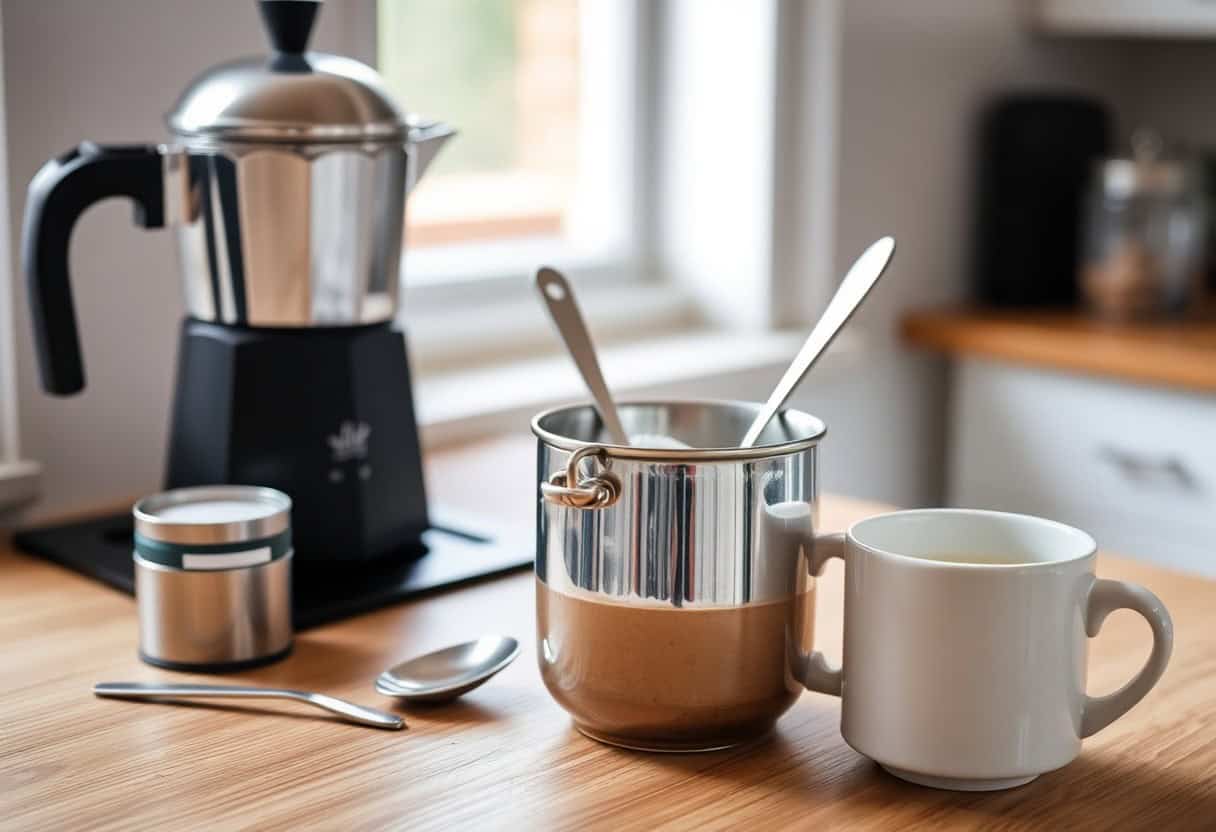
The honest truth about how to make mochas at home is that you do not need a $700 espresso machine. Make mochas at home with any concentrated coffee brew, real cocoa, and a few quiet techniques and you’ll match your local cafe at a fraction of the price.
This guide walks you through 7 methods to make mochas at home, ranked by gear cost and time. Whether you make mochas at home with a French press, Moka pot, AeroPress, or just a kettle and instant, you will land a drink worth waking up for.
Most coffee lovers assume a rich mocha requires an espresso machine, but you can make one easily with basic tools. You don’t need expensive equipment-just strong coffee, cocoa, milk, and a saucepan. The result is creamy, chocolatey, and perfectly balanced, rivaling any café version.

Understanding the Mocha Flavor Profile
Every sip of a well-made mocha blends bold coffee with rich chocolate in a way that feels both indulgent and comforting.
You’re experiencing a harmony of deep, roasted notes from the coffee and the smooth sweetness of cocoa, creating a drink that satisfies multiple senses at once.
The balance between these elements defines the true mocha character-neither too sharp nor too sweet, but just right when crafted with care.
The historical origins of the Caffe Mocha
Originating in Italy, the Caffe Mocha emerged as a variation of the classic caffè latte, inspired by the famed Mocha beans from Yemen. These beans, traded through the port of Mocha, had natural chocolatey undertones, which likely influenced the drink’s name and flavor pairing. Over time, baristas began adding actual chocolate to mimic and enhance those notes, cementing the modern mocha’s identity. This evolution turned a regional coffee into a global favorite.
Balancing the bitterness of coffee with the sweetness of chocolate
Bitter coffee and sweet chocolate might seem like opposites, but they’re natural partners when combined with intention. Your mocha succeeds when the chocolate softens the coffee’s sharp edges without masking its character. Using high-quality cocoa or dark chocolate lets you control sweetness while preserving depth. Too much sugar dulls the complexity; too little leaves a harsh aftertaste.
Dark chocolate with 60-70% cocoa content often strikes the ideal midpoint, offering richness that complements strong brewed coffee. You can adjust to taste, but starting with this range ensures the chocolate enhances, not overwhelms. The right balance transforms your homemade mocha into a café-quality experience.
Essential Ingredients and Equipment
Selecting the right coffee beans for a bold home brew
Great mochas start with strong coffee, so choose beans with a bold, rich flavor profile. Dark or medium-dark roasts work best, as they stand up to chocolate without getting lost. Look for labels like “espresso blend” even if you’re not using an espresso machine-these are formulated for intensity. Freshness matters; always check the roast date and aim to use beans within three weeks for peak flavor.
Choosing between cocoa powder, chocolate syrup, and real chocolate
Cocoa powder delivers a deep, unsweetened chocolate base that lets you control sweetness. Use Dutch-processed for a smoother taste or natural cocoa for a sharper bite. Chocolate syrup is convenient and blends easily, but often contains added sugar and preservatives. Real chocolate-especially high-quality dark-melts into luxurious richness, though it requires careful heating to avoid scorching.
Each option shapes your mocha differently. Cocoa powder gives you precision, ideal for balancing bold coffee. Syrup offers speed and sweetness in one, great for quick drinks. Real chocolate brings a decadent, restaurant-quality depth, but demands attention when melting. Your preference for sweetness, texture, and convenience will guide the best choice.
Basic kitchen tools to replace professional espresso gear
A French press or AeroPress can produce concentrated coffee strong enough for a satisfying mocha. These methods extract bold flavor without needing expensive machines. A small saucepan or microwave safely melts chocolate or heats milk, while a handheld milk frother adds a creamy finish. Even a whisk can create foam if used quickly over warm milk.
You don’t need barista equipment to make a great mocha. With a reliable brew method and a few common tools, you’re equipped to build layers of flavor. The key is consistency in brewing strength and temperature control when combining ingredients. Simple tools, used well, deliver impressive results.
How to Brew Concentrated Coffee Without an Espresso Machine
Creating rich, bold coffee at home doesn’t require expensive gear. You can achieve a strong base perfect for a mocha using common brewing tools. Check out this guide to Make Mocha at Home without a Machine for more tips and tricks that simplify the process.
Using a Moka Pot for espresso-style intensity
Your Moka Pot delivers a surprisingly intense brew that mimics espresso’s strength. Fill the bottom chamber with hot water just below the valve and insert a finely ground coffee puck-don’t pack it too tight. As the pot heats, pressure builds and forces water through the grounds, yielding a bold, aromatic concentrate. The result has a rich body and deep flavor, ideal for blending with chocolate and milk.
Utilizing the AeroPress for a clean, strong base
An AeroPress gives you control over strength and clarity in every cup. Use a fine to medium grind and steep the coffee for about a minute before pressing. This method extracts a smooth, low-acidity concentrate with minimal bitterness. Its quick brew time and portability make it a favorite for daily mocha prep.
You’ll notice the AeroPress produces a cleaner cup than other methods because of its paper filter, which removes oils and fines. This purity lets the chocolate and coffee flavors harmonize without distraction. Adjust the grind or brew time slightly to fine-tune strength.
Preparing a double-strength French Press brew
A French Press can create a full-bodied coffee base when brewed strong. Double the usual amount of coarse grounds and steep for four minutes before plunging. The metal filter preserves natural oils, giving your mocha a creamy, robust foundation. Avoid over-steeping to prevent bitterness.
Brewing double-strength means using twice the coffee, not less water. This maintains proper extraction while increasing intensity. The result integrates beautifully with warm milk and cocoa, delivering a satisfying homemade mocha without special equipment.
Preparing the Chocolate Component
Blending rich chocolate flavor into your homemade mocha starts with choosing the right base. You can use either a smooth chocolate ganache or a simple homemade syrup-both deliver deep, satisfying cocoa notes without needing professional gear. The key is consistency: aim for something that dissolves easily into warm coffee without separating.
How-to create a homemade chocolate ganache or syrup
Start by heating equal parts heavy cream and sugar in a small saucepan until steaming-do not boil. Stir in chopped dark chocolate or cocoa paste until fully melted and silky. For syrup, combine sugar, water, and cocoa powder, simmering until thickened slightly. Both options store well in the fridge for up to two weeks. After cooling, seal in a clean jar for future use.
Tips for incorporating cocoa powder without clumping
- Mix cocoa powder with a small amount of hot water or milk first
- Use a whisk or frother to break up lumps immediately
- Avoid adding powder directly to cold liquids
Clumping happens when cocoa powder hits liquid too quickly. Create a smooth paste first by blending the powder with a few teaspoons of hot liquid until no streaks remain. This ensures even distribution through your drink.
After incorporating the paste, pour in the rest of your coffee or milk gradually while stirring.
Techniques for Frothing Milk at Home
The Mason jar shake-and-microwave method
Fill a clean Mason jar halfway with cold milk-whole milk works best for richness. Seal the lid tightly and shake vigorously for 30 to 60 seconds until the milk doubles in volume and forms foam. Remove the lid, microwave the jar for 30 seconds to stabilize the foam, but watch closely to avoid overflow. This method delivers a quick, bubbly froth perfect for topping your homemade mocha.
Using a handheld battery frother for micro-foam
A handheld battery-powered frother can create smooth, café-style micro-foam in seconds. Pour warm milk into a tall, narrow container and submerge the frother just below the surface. Turn it on and move it gently up and down to incorporate air evenly. You’ll achieve a velvety texture that blends seamlessly into your mocha, enhancing both mouthfeel and presentation.
For best results, heat your milk to about 140°F before frothing-too hot and the proteins break down, leaving flat foam. These compact frothers are affordable, easy to clean, and highly effective.
With consistent use, you’ll train the milk to form tiny, uniform bubbles that define true micro-foam.
Achieving creamy texture with a French Press plunger
Pour warm milk into your French press and pump the plunger up and down rapidly for 20 to 30 seconds. The metal mesh creates fine aeration, producing a rich, creamy foam similar to steamed milk. This method gives you professional results without special equipment, making it ideal for regular mocha lovers.
After frothing, wipe the plunger clean immediately to prevent milk buildup. The French press offers excellent control over texture-gentle pumps yield subtle warmth and creaminess, while vigorous motion builds more volume.
It’s a durable, multi-use tool that elevates your coffee game with minimal effort.
Keys to Achieving Professional Results
To make a mocha that tastes like it came from a café, focus on three core elements: coffee strength, chocolate quality, and milk texture. Use freshly brewed coffee with a bold profile to balance the sweetness of the chocolate. Choose high-quality chocolate-dark or semi-sweet-for a rich, smooth flavor. Steamed milk should be velvety, not frothy. The right technique makes all the difference, even without an espresso machine. This attention to detail transforms a simple drink into something exceptional.
- Use strong coffee as the base for depth of flavor
- Select real chocolate over syrups when possible
- Heat milk gently to preserve sweetness and texture
- Blend ingredients thoroughly for a unified taste
Adjusting the coffee-to-chocolate ratio for personal preference
You control the balance between bitterness and sweetness by tweaking the coffee-to-chocolate ratio. Start with one tablespoon of chocolate per 6 oz of coffee, then adjust up or down. Prefer a bolder, more caffeinated drink? Add more coffee. Want something sweeter and dessert-like? Increase the chocolate. The key is gradual adjustment until your ideal blend emerges. This lets you tailor each mocha to your mood or time of day.
Factors affecting milk temperature and foam stability
Heating milk too quickly or too much destroys its natural sugars and proteins, leading to flat texture and off-flavors. Keep the temperature below 150°F to preserve sweetness and allow microfoam to form. Whole milk creates the creamiest results due to higher fat content, while plant-based options vary in stability. Avoid boiling, which breaks down proteins imperative for foam. This careful control ensures smooth, luxurious texture.
| Factor | Effect on Milk |
|---|---|
| Temperature above 150°F | Destroys sweetness, causes scalding |
| Whole milk vs. skim | Higher fat = creamier foam |
| Plant-based milk type | Varies in foam stability |
| Heating speed | Too fast = uneven texture |
Milk behavior changes dramatically based on how you heat and aerate it. Using a French press or handheld frother introduces air slowly, building stable microfoam. Cold milk starts the process more evenly, preventing hotspots. Skim milk foams more but collapses faster due to low fat, while oat milk holds foam well but can burn easily. The proteins in milk unfold and trap air only under controlled heat. This precision separates amateur attempts from café-quality results.
- Heat milk to 140-150°F for optimal sweetness
- Use a thermometer for consistent temperature control
- Froth in short bursts to build stable microfoam
- Choose milk with balanced fat and protein content
Tips for garnishing and presentation aesthetics
A well-garnished mocha enhances both flavor and visual appeal. A light dusting of cocoa powder or cinnamon adds elegance, while a swirl of whipped cream invites indulgence. Use chocolate shavings instead of syrup drizzle for texture and sophistication.
Serve in a clear glass or warm ceramic mug to highlight color contrast. The experience begins with what you see.
| Garnish | Effect |
|---|---|
| Cocoa powder | Rich visual contrast, subtle bitterness |
Whipped creamTo wrap upConclusively, you can make a rich, satisfying mocha at home without an espresso machine. Use strong brewed coffee or instant espresso powder as a base, mix in warm milk, and stir in chocolate syrup or melted chocolate to taste. A handheld milk frother adds texture, but it’s not required. You control the sweetness and intensity, tailoring each cup to your preference. With simple tools and ingredients you likely already have, this method delivers café-quality results in minutes. Key Takeaways: Make Mochas at Home
Apply It Make Mochas at Home TodayPick one method below, source good cocoa, and brew tonight. These guides cover the supporting skills (grinding, timing, dosing) that lift any home mocha.
For grading standards on coffee quality, sourcing and brewing, the Specialty Coffee Association is the global authority: Specialty Coffee Association. FAQQ: Can I make a mocha at home without an espresso machine?A: Yes, you can make a mocha at home without an espresso machine. Use strongly brewed coffee from a French press, drip brewer, or instant coffee as a substitute. Combine the coffee with warm milk and chocolate-such as cocoa powder, melted chocolate, or chocolate syrup-for a rich, satisfying drink. Q: What kind of chocolate should I use for a homemade mocha?A: You can use chocolate syrup, cocoa powder, or melted dark, milk, or semi-sweet chocolate. Chocolate syrup blends easily and is convenient. Cocoa powder works well when mixed with a little hot liquid first to avoid clumping. Melted chocolate gives a richer, more decadent flavor but needs to be stirred thoroughly to mix evenly. Q: How do I froth milk without a steam wand?A: Heat milk in a saucepan over medium heat until warm but not boiling. Use a handheld milk frother, a whisk, or a jar with a lid-pour milk into the jar, seal it, and shake vigorously for 30 seconds. This creates foam that mimics the texture of café-style milk. Q: What’s the best coffee-to-chocolate ratio for a mocha?A: A balanced mocha typically uses 1 to 2 tablespoons of chocolate syrup or cocoa per 8 ounces of coffee. Start with 1 tablespoon, taste, and adjust. Add more chocolate for sweetness or reduce it for a bolder coffee flavor. The milk softens the intensity, so consider that when adjusting. Q: Can I make an iced mocha without espresso?A: Yes, brew coffee and let it cool, then chill it in the refrigerator or pour it over ice. Mix in chocolate syrup or cocoa powder while the coffee is still slightly warm to help it dissolve. Add cold milk and stir well. For extra texture, use cold frothed milk or a splash of half-and-half. Skip to content |