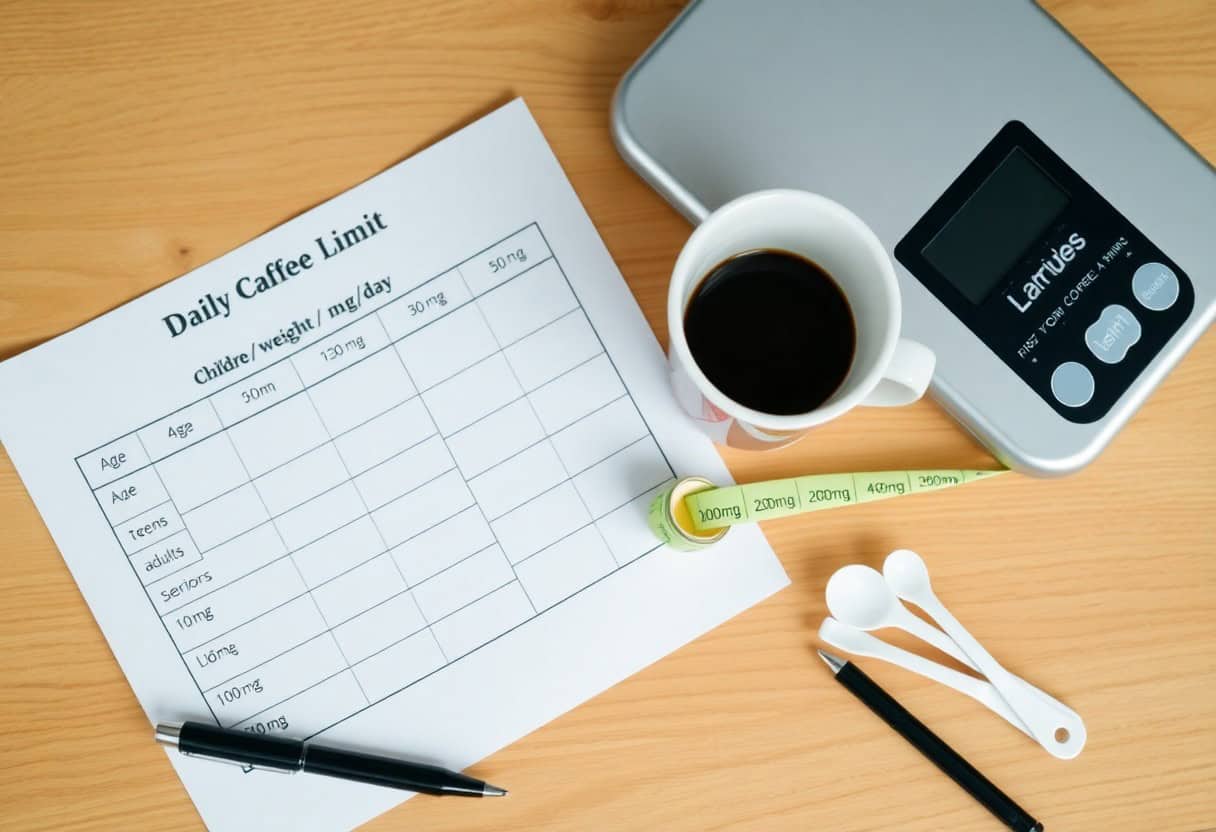
Daily Caffeine Limit is a moving target that depends on age, weight, and tolerance. The FDA-backed daily caffeine limit for healthy adults is 400mg — but the practical daily caffeine limit for teens, pregnancy, and sensitive bodies is far lower. Here are 7 proven safe doses.
Table of Contents
TL;DR: Your daily caffeine limit depends on age, weight, and caffeine sensitivity. Here are seven proven safe doses, why the FDA daily caffeine limit sits at 400mg for adults, and how to calculate your personal daily caffeine limit in under two minutes.
Over 400 milligrams of caffeine daily can be dangerous for most adults, potentially causing heart palpitations, anxiety, and sleep disruption. Your safe limit depends on your age, weight, and sensitivity. Children and teens should consume little to no caffeine, while pregnant individuals need lower doses. Know your body’s signals to stay within safe, beneficial levels.
Table of Contents
Key Takeaways:
- Caffeine affects children and adolescents more strongly than adults, so health experts recommend that kids under 12 avoid caffeine entirely.
- Teens aged 12 to 18 should limit caffeine to no more than 100 mg per day-about the amount in one cup of coffee.
- For healthy adults, up to 400 mg of caffeine daily-roughly four 8-ounce cups of coffee-is generally considered safe.
- Individual tolerance varies based on body weight, metabolism, and sensitivity; some people may feel side effects like anxiety or insomnia with much lower amounts.
- Consuming caffeine too late in the day can disrupt sleep, even if within recommended limits, so timing matters as much as quantity.
The Measure of the Daily Cup
Understanding Your Personal Threshold
You may drink coffee every morning without thinking about how much caffeine you’re actually consuming. The average 8-ounce cup of brewed coffee contains about 95 milligrams of caffeine, but this can vary widely depending on the brew method, bean type, and serving size. Energy drinks and sodas add hidden sources that can push you over your limit before noon. Your body processes caffeine based on genetics, liver function, and tolerance, meaning two people drinking the same amount can feel drastically different effects. Exceeding your personal threshold can lead to anxiety, insomnia, rapid heartbeat, or digestive discomfort, even if you’re under the general daily recommendations.
How Serving Size Tricks Your Intake
A standard cup isn’t always what you’re pouring. Many coffee mugs hold 16 to 24 ounces-double or triple the reference amount-meaning one mug could deliver 200 milligrams or more. Drinking a large café-brewed coffee could count as two or three servings in one go, silently doubling your caffeine load. Bottled energy drinks often contain multiple servings per container, yet many people consume the entire bottle at once. Always check the label: some popular brands pack over 300 milligrams in a single can. What feels like one drink might be pushing you dangerously close to the maximum safe limit for adults, which is 400 milligrams per day.
Hidden Caffeine in Everyday Foods
Chocolate, certain medications, and even some protein bars contain measurable amounts of caffeine. A 1.5-ounce milk chocolate bar has about 9 milligrams, while dark chocolate can have up to 30. Pain relievers with caffeine can add 65 to 130 milligrams per tablet, often overlooked when tracking daily intake. These sources may seem minor, but they accumulate quickly, especially if you’re already drinking coffee or soda. You might think you’re staying within limits, only to realize that snacks and supplements have added an extra 100 milligrams by evening. Awareness of these hidden contributors is important to avoid unintentional overconsumption.
The Weight of a Man and His Blood
How Body Mass Influences Caffeine Sensitivity
You process caffeine differently depending on your body weight because the substance disperses through your bloodstream in proportion to your size. A lighter person may feel strong effects from a single cup of coffee, while someone heavier might tolerate two or three without noticeable stimulation. This isn’t just about tolerance-it’s about concentration. The same 100 mg of caffeine results in higher blood concentration in a 130-pound individual than in a 200-pound person, meaning effects hit faster and last longer in smaller bodies.
Metabolism and Circulation: What Your Weight Reveals
Your liver breaks down caffeine at a rate influenced by both genetics and body composition. People with higher body mass often have larger livers, which can metabolize caffeine more efficiently-but this doesn’t mean they’re immune to overconsumption. Fat distribution also plays a role; visceral fat can slow circulation and delay how quickly caffeine reaches peak levels in your blood. You might not feel the jolt right away, but the compound is still building, increasing the risk of delayed jitteriness or sleep disruption hours later.
Safe Limits Based on Weight: A Practical Guide
A general rule is 2.5 to 3 milligrams of caffeine per kilogram of body weight as a safe upper limit for most adults. For you, that means if you weigh 70 kilograms (about 154 pounds), staying under 210 mg daily keeps you in a low-risk zone. Exceeding 400 mg-roughly four cups of brewed coffee-raises your odds of anxiety, heart palpitations, and insomnia, especially if you’re under 60 kg (132 lbs). Teenagers and smaller adults should aim even lower, as their systems are more sensitive to stimulant overload.
When Weight Masks the Danger
Being larger doesn’t give you a free pass to consume caffeine recklessly. You might handle more without immediate side effects, but chronic high intake still strains your cardiovascular system. Long-term overuse can lead to elevated blood pressure and disrupted cortisol rhythms, regardless of your size. The absence of acute symptoms doesn’t mean safety-it means your body is silently adapting, possibly at a cost. Pay attention to subtle signs like restlessness, afternoon crashes, or trouble winding down at night. These are signals, not inconveniences.
The Rules for the Young and Growing
Why Children and Teens Need Extra Caution
You may not realize how sensitive young bodies are to stimulants like caffeine. Children under 12 should avoid caffeine entirely, according to health experts, because their developing brains and nervous systems react more intensely to its effects. Even small amounts found in sodas, chocolate, or energy drinks can lead to jitteriness, trouble sleeping, or increased heart rate. Since their bodies are still growing, introducing stimulants too early may interfere with natural sleep patterns and cognitive development. Your child’s energy levels are better supported by balanced meals and sufficient rest than by any caffeinated product.
Safe Limits for Adolescents
Teenagers between the ages of 13 and 18 can handle slightly more caffeine, but the limit is still much lower than for adults. The recommended maximum is 100 milligrams per day-about the amount in a single cup of coffee or two cans of soda. Exceeding this amount can lead to anxiety, digestive discomfort, and disrupted sleep, all of which affect school performance and emotional well-being. You might think an energy boost helps during exam season, but relying on caffeine can create a cycle of poor sleep and increased fatigue. Staying within safe boundaries supports focus and mood without the crash.
Weight-Based Guidelines for Young Adults
Once you reach 18, your body processes caffeine more like an adult, but size still matters. A 130-pound young adult should not consume more than 260 milligrams of caffeine daily-the general upper limit based on weight (about 2.5 milligrams per pound). Going beyond this increases the risk of heart palpitations, high blood pressure, and dependency. If you’re physically active or still growing, your tolerance may be even lower. Pay attention to how your body responds-headaches, irritability, or trouble sleeping are clear signs you’ve had too much. Respecting these limits now helps prevent long-term reliance and health complications later.
The Signs of Too Much
Physical Symptoms to Watch For
Your body often sends clear signals when caffeine intake exceeds safe levels. Shaking hands, rapid heartbeat, and excessive sweating are among the most immediate physical responses. You might also experience headaches or dizziness, especially if you’re not used to high doses. Digestive discomfort such as nausea or stomach cramps can occur, and in some cases, you may notice an increase in blood pressure. These symptoms typically appear within 30 to 60 minutes after consuming too much caffeine and can last several hours. If you’re regularly feeling unwell after your morning coffee or energy drink, it’s time to reassess your intake.
Emotional and Cognitive Effects
Anxiety can creep in even with moderate overconsumption, especially if you’re sensitive to stimulants. You may feel restless, irritable, or unusually on edge without an obvious cause. Difficulty concentrating, racing thoughts, and insomnia are also common cognitive side effects. Sleep disruption is particularly concerning because it creates a cycle-poor sleep leads to more caffeine use the next day, which then worsens sleep. Recognizing these mental shifts helps you break the pattern before it impacts your daily functioning.
When to Seek Help
Symptoms like chest pain, irregular heartbeat, or trouble breathing require immediate medical attention. These are dangerous signs that suggest a potential caffeine overdose, especially if you’ve consumed energy shots, supplements, or multiple high-caffeine beverages in a short time. Adolescents and individuals with underlying health conditions are at higher risk. If you’re unsure about your personal limit, consult a healthcare provider and consider tracking your intake. For more personalized guidance on how much caffeine is too much?, visit How much caffeine is too much? to understand safe thresholds based on age, weight, and health status.
The Hidden Milligrams
More Than Just Coffee
You might think your morning coffee is your only caffeine source, but many everyday products contain hidden milligrams that add up fast. Energy bars, chocolate, certain medications, and even some weight-loss supplements can deliver a jolt without you realizing it. A single dark chocolate bar, for example, can pack as much as 30 mg of caffeine-equal to a third of a can of soda. If you’re tracking your intake based on beverages alone, you’re likely underestimating your total consumption.
Sneaky Sources in Plain Sight
Some over-the-counter pain relievers include caffeine to boost effectiveness, with certain formulas containing 65 mg per tablet. That means if you take two for a headache, you’ve just consumed more caffeine than a standard cup of tea-on top of whatever you’ve already had that day. These non-beverage sources are often overlooked, yet they contribute significantly to your daily total, especially if you’re sensitive or approaching your limit.
Energy Drinks and Label Loopholes
Energy drinks are particularly tricky because some brands package their products as “dietary supplements” rather than beverages, allowing them to bypass strict labeling rules. This means the actual caffeine content might not be clearly listed, or it could be spread across multiple servings in one can. One popular 16-ounce can may contain over 300 mg of caffeine, far exceeding what’s safe for teens or smaller adults. Always check the fine print and assume the entire container is meant to be consumed in one sitting.
How Weight and Metabolism Play a Role
Your body size and liver function directly affect how quickly you process caffeine. A 120-pound person will feel the effects of 200 mg much more intensely than someone weighing 180 pounds. Genetics also influence your sensitivity, meaning two people drinking the same amount can have vastly different reactions. If you’re lighter or metabolize caffeine slowly, even moderate amounts from hidden sources could push you into jittery, anxious, or sleep-disrupting territory.
The Burden of the Mother and the Sick
Caffeine’s Impact During Pregnancy
You may not realize how quickly your morning coffee affects more than just your alertness when you’re expecting. Caffeine crosses the placenta directly into the developing baby’s bloodstream, and because the fetus lacks the enzymes to break it down efficiently, even moderate amounts can accumulate. Research shows that consuming more than 200 milligrams of caffeine per day during pregnancy increases the risk of miscarriage, low birth weight, and preterm delivery. Your body processes caffeine more slowly during pregnancy, meaning the same cup of coffee has a stronger and longer-lasting effect than it once did. Staying under the recommended limit isn’t just cautious-it’s a protective step for your baby’s development.
Chronic Illness and Caffeine Sensitivity
Your health condition can dramatically alter how your body handles caffeine. If you live with anxiety disorders, heart conditions, or high blood pressure, even small doses may trigger palpitations, insomnia, or spikes in blood pressure. People with liver disease or metabolic disorders often process caffeine at a fraction of the normal rate, allowing it to build up to dangerous levels. You might feel jittery after half a cup when others tolerate double that without issue. Recognizing your body’s altered response isn’t overreaction-it’s necessary self-awareness. Ignoring these signals can worsen symptoms and interfere with medications, turning a routine habit into a health risk.
Medications and Hidden Interactions
Some of the drugs you take daily can turn a safe amount of caffeine into a hazardous one. Antibiotics like ciprofloxacin, certain antidepressants, and even over-the-counter pain relievers can slow caffeine metabolism. When combined, these medications may double or triple the time caffeine stays in your system, increasing the chance of side effects like restlessness or arrhythmias. You might not connect your afternoon anxiety to a morning painkiller, but the interaction is real and potentially serious. Always check with your doctor about how your prescriptions interact with stimulants-what seems harmless could quietly strain your system.
To wrap up
Hence your body processes caffeine differently based on age, weight, and individual sensitivity. For most healthy adults, staying under 400 milligrams per day is considered safe, but teens and children should consume far less or avoid it altogether.
Pregnant individuals should limit intake to 200 milligrams or less. You respond uniquely to stimulants, so pay attention to how caffeine affects your sleep, mood, and heart rate.
Staying within recommended limits helps you enjoy the benefits without risking side effects.
Key Takeaways: Daily Caffeine Limit
- Your daily caffeine limit for healthy adults is 400mg — about 4 cups of brewed coffee.
- Children and teens should respect a stricter daily caffeine limit of 2.5mg per kg of body weight.
- Pregnant drinkers should cut their daily caffeine limit to 200mg to follow ACOG guidance.
- Caffeine sensitivity varies — your real daily caffeine limit may be 200-300mg if you metabolise slowly.
- Track every source when calculating your daily caffeine limit: coffee, tea, soda, chocolate, and pre-workout all count.
Apply Your Daily Caffeine Limit Today
Once you know your daily caffeine limit, use these guides to brew smarter.
- How anxiety changes your daily caffeine limit
- Decaf vs regular when respecting a daily caffeine limit
- Metabolism and your daily caffeine limit
For the authoritative industry position behind your daily caffeine limit, see the Specialty Coffee Association.
Key Takeaways: Daily Caffeine Limit
- Adult daily caffeine limit sits at 400mg (FDA) — about 4 standard 8oz cups.
- Pregnancy daily caffeine limit drops to 200mg per OB-GYN guidance.
- Teen daily caffeine limit sits at 100mg max — basically one cup of coffee.
- Bodyweight daily caffeine limit rule: 3-5 mg/kg covers most healthy adults safely.
- Sleep cutoff for daily caffeine limit — stop 8-10 hours before bed to protect REM.
Apply Your Limit Today
Calculating your daily caffeine limit starts with tracking everything caffeinated — coffee, tea, chocolate, soft drinks, pre-workout — for one week.
- Coffee and brain health — context for daily caffeine limit
- Cold brew has more caffeine — affects daily caffeine limit
- Coffee and diabetes — separate from daily caffeine limit
For authoritative coffee science, see the Specialty Coffee Association.
FAQs: Daily Caffeine Limit
Q: How much caffeine is safe for adults each day?
A: Healthy adults can safely consume up to 400 milligrams of caffeine per day. This amount is roughly equivalent to four 8-ounce cups of brewed coffee. Staying within this limit typically does not cause harmful side effects for most people.
Individual sensitivity varies, so some may feel jittery or anxious with less. People with heart conditions or anxiety disorders should consult a doctor before consuming large amounts.
Q: What is the recommended caffeine limit for teenagers?
A: Teens aged 12 to 18 should not exceed 100 milligrams of caffeine daily. That’s about one 8-ounce cup of coffee or two 12-ounce cans of caffeinated soda.
The developing brain is more sensitive to caffeine, and high intake can disrupt sleep, affect concentration, and increase anxiety.
Energy drinks are especially concerning due to high caffeine and sugar content, and they are not recommended for this age group.
Q: Is caffeine safe for children under 12?
A: There is no established safe level of caffeine for children under 12. Major health organizations advise against caffeine consumption in this age group.
Even small amounts can lead to restlessness, increased heart rate, trouble sleeping, and stomach discomfort. Many sodas, teas, and chocolate-flavored products contain caffeine, so parents should check labels carefully to avoid unintentional intake.
Q: Does body weight affect how much caffeine is safe?
A: Yes, body weight plays a role in caffeine tolerance. A general guideline is 2.5 to 3 milligrams of caffeine per kilogram of body weight.
For example, a person weighing 68 kg (about 150 pounds) should stay under 200 milligrams per day using the lower end of that range. Heavier individuals may tolerate more, but sensitivity varies based on metabolism, genetics, and medication use.
Dose matters more than percentage when side effects begin.
Q: What are signs of consuming too much caffeine?
A: Common symptoms include rapid heartbeat, insomnia, nervousness, upset stomach, and muscle tremors. Some people experience headaches or dizziness when caffeine intake is high.
In extreme cases, overconsumption can lead to confusion, chest pain, or irregular heart rhythms, requiring medical attention. If side effects occur regularly, cutting back-even below general limits-may be necessary for comfort and health.