AI disclosure: this content, including any imagery, was artificially generated.
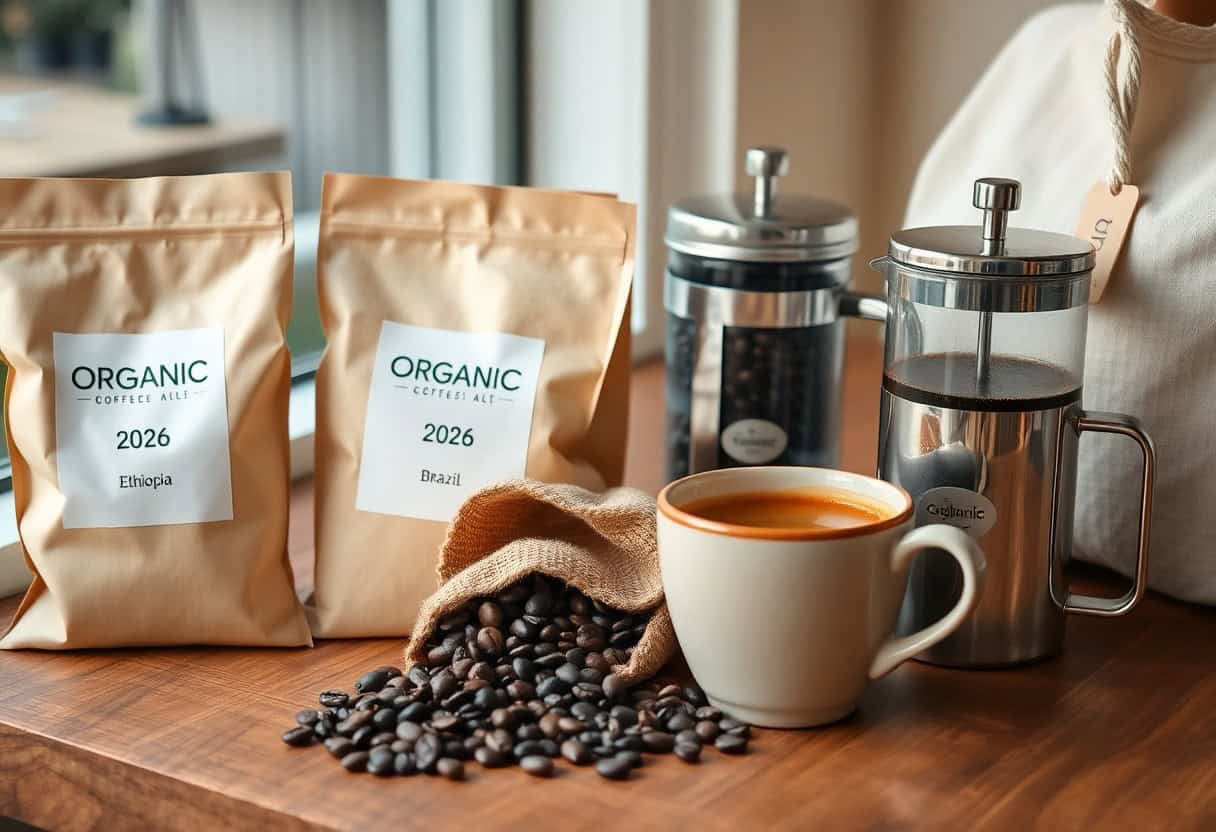
Light vs dark roast explained: the two roast styles differ most in flavour, acidity, and body, and this guide helps you choose the right one.
Table of Contents
With light and dark roasts, your taste and caffeine experience change dramatically. Light roasts preserve more natural bean flavors and have higher caffeine, while dark roasts offer bolder, smokier notes and less caffeine due to longer roasting. You’ll notice acidity in light roasts, whereas dark roasts bring richness-choose based on your flavor preference and energy needs.
Key Takeaways:
- Light roast coffee is roasted for a shorter time at lower temperatures, preserving more of the bean’s original flavors and acidity.
- Dark roast coffee undergoes longer roasting at higher temperatures, resulting in a bolder, smokier taste and reduced acidity.
- Caffeine content is nearly the same between light and dark roasts, despite common myths suggesting otherwise.
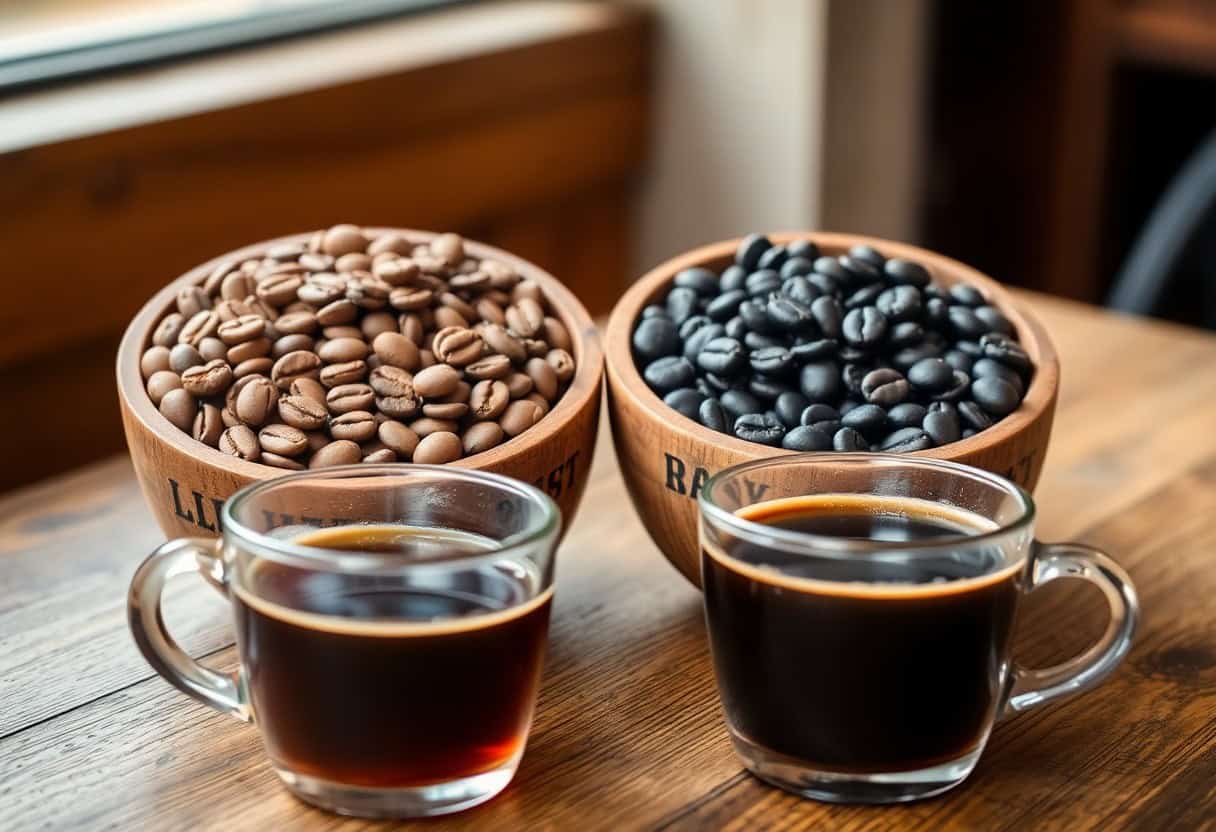
- The color and oiliness of the beans differ visibly-light roasts are dry and light brown, while dark roasts are shiny and dark brown.
- Flavor profiles vary more due to roast level than origin, with light roasts highlighting floral, fruity, or citrus notes and dark roasts bringing out chocolatey or caramelized tones.
Light vs Dark Roast: The Physical Metamorphosis of the Bean
Color Gradation from Cinnamon to Ebony
You can track roast level at a glance by observing the bean’s color. Light roasts appear in shades of cinnamon or golden brown, preserving much of the bean’s original hue. As heat exposure increases, the surface darkens through amber and chestnut tones, eventually reaching deep mahogany and jet-black ebony in dark roasts. This visual shift reflects the Maillard reaction and caramelization happening beneath the surface.
Structural Changes and Bean Expansion
Heat transforms not just color but the bean’s internal architecture. As temperatures rise, moisture escapes and gases build, causing the bean to expand. Light roasts remain denser with tighter cell structures, while dark roasts become porous and brittle. You’ll notice oils begin to bleed through the surface in darker stages-a sign of prolonged roasting that impacts both flavor and extraction.
With extended roasting, structural integrity weakens as cellulose breaks down and internal sugars carbonize. This expansion increases surface area, making dark beans more soluble but also prone to over-extraction. The moment oils appear externally, you lose some aromatic complexity and gain a bolder, smokier profile. Your brewing method must adapt to these physical shifts to avoid harsh, ashy results.
Sensory Profiles and Taste Realities
Vibrant Acidity in the Light Roast
Light roast coffee reveals natural brightness from its origin, with acidity that dances on your palate. You’ll notice citrus, floral, or fruity notes that remain intact because the beans aren’t roasted long enough to break them down. This crispness isn’t sourness-it’s a clean, refreshing quality that enhances complexity.
Bold Bitterness in the Dark Roast
Dark roast delivers a heavier mouthfeel and pronounced bitterness shaped by extended roasting. You experience deeper, smokier tones-think dark chocolate, toasted nuts, or charred caramel. These flavors emerge as sugars caramelize and acids degrade, leaving behind a bold, assertive profile that dominates the cup.
Bitterness in dark roast isn’t a flaw-it’s an intentional result of heat transforming the bean’s chemistry. As roasting time increases, chlorogenic acids break down, reducing acidity while increasing bitter compounds. You’re not just tasting the bean anymore; you’re tasting the fire. This transformation appeals to those who prefer intense, straightforward flavor over delicate nuance.
The Reality of Caffeine Concentration
Many believe dark roast coffee delivers a stronger caffeine kick, but that’s a myth. In reality, caffeine content depends more on how you measure your coffee than the roast level itself.
Light roast beans retain slightly more caffeine by weight because they spend less time in the roaster, preserving compounds longer. Still, the difference is minimal-what really matters is your measuring method.
Measurement by Bean Weight
When using a scale, light roast beans contain marginally more caffeine. They are denser and lose less mass during roasting, so 10 grams of light roast delivers slightly more caffeine than the same weight of dark roast. This method is the most accurate for comparing caffeine levels, making it ideal for precision-focused brewing. Your scale doesn’t lie-weight reveals the true story behind roast and potency.
Measurement by Scoop Volume
If you scoop instead of weigh, dark roast packs more caffeine per scoop. These beans are less dense and more porous due to longer roasting, so one scoop holds more ground dark roast by volume. That means more caffeine ends up in your brew, even though each individual bean has slightly less. It’s a subtle shift with real impact on your morning cup.
You might not think a scoop makes a difference, but volume-based measuring flips the caffeine narrative. Because dark roast grounds settle more densely in a scoop, you’re likely using more coffee by mass without realizing it. This small detail can unexpectedly boost your caffeine intake when brewing with scoops-especially with drip or French press methods. Always consider how you measure; it changes everything.
Oil and Surface Texture
When you examine a light roast bean, you’ll notice its dry exterior. This is because early roasting stages don’t release the internal oils trapped within the coffee seed. The surface remains matte and firm, preserving more of the bean’s original structure. This dryness often correlates with brighter, more complex flavors tied to the bean’s origin. For a deeper breakdown of how roast levels affect taste and appearance, check out this guide on Light Roast vs. Dark Roast Coffee: All Differences Explained.
Dry Exterior of Early Roasts
Light roast beans never reach the temperature needed to break down internal lipids. Your fingers won’t pick up any greasiness when handling them. This lack of surface oil helps maintain freshness longer, as oils are prone to oxidation. You’re more likely to taste floral, citrus, or tea-like notes with this roast style.
Oily Sheen of Late Roasts
Dark roast beans often appear shiny or slick due to oils migrating to the surface during extended roasting. You can see and feel this sheen, a sign the bean’s structure has broken down under high heat. While visually striking, this oil exposure speeds up staleness if not consumed quickly.
That glossy layer isn’t just cosmetic-those oils carry concentrated, bittersweet compounds developed in the final roast phases. However, prolonged air exposure degrades them fast, dulling flavor within days. Storing dark roasts in airtight containers slows this process, but best flavor is always immediate. You’re trading shelf stability for boldness.
Heat and Time in the Drum
Roasting coffee is a precise dance between temperature and duration, where you control the final character of the bean. Light roasts emerge with brighter acidity and more origin clarity because they spend less time exposed to high heat.
Reaching the first crack is important, but stopping shortly after preserves delicate flavors that vanish with more exposure.
First Crack Milestones
First crack occurs around 390°F, when built-up steam and carbon dioxide cause the bean to pop like corn. This moment marks the start of roast development, not just a milestone-it’s your signal that the bean is transforming. You’ll notice increased expansion and a shift from grassy to toasty aromas, especially in light roasts where development ends soon after.
Second Crack Destinations
Second crack arrives near 440°F, a sharper snapping as cell structures fracture under prolonged heat. Dark roasts push into this phase, developing bittersweet notes and lower acidity. Oils begin surfacing, giving beans a shiny appearance and heavier body, but overextending risks charring and hollow flavors.
When you roast past second crack, you trade origin character for roast-driven profiles like smoke, chocolate, or spice. The bean’s sugars caramelize deeply, even burning slightly, which some enjoy in bold espresso blends. Still, exceeding this stage too far dulls complexity and introduces harshness you can’t extract away.
Optimal Brewing Strategies
Precision for Light Profiles
You need exact control when brewing light roast coffee. These beans retain more moisture and density, demanding higher water temperatures-ideally between 200°F and 206°F-to extract their delicate acids and floral notes fully. A consistent grind size is non-negotiable; even slight variations mute the complexity you’re aiming to highlight.
Strength for Dark Profiles
Dark roasts respond best to methods that emphasize body and boldness. You’ll want to use slightly cooler water-around 195°F-to avoid amplifying bitter compounds already intensified by prolonged roasting. Their porous structure extracts quickly, so shorter brew times prevent over-extraction and harshness.
Using a French press or espresso machine enhances the rich, smoky depth inherent in dark roasts. Since oils rise to the surface during roasting, these methods capture that intense, syrupy mouthfeel better than paper-filtered techniques. Adjust your dose slightly higher to amplify strength without tipping into bitterness.
To wrap up
So you now know the real difference between light roast and dark roast.
Light roast coffee is roasted for a shorter time, preserving more of the bean’s original flavors and acidity, while dark roast undergoes longer roasting, resulting in bolder, smokier notes and less acidity.
You might assume dark roast has more caffeine, but it actually has slightly less due to the extended heat exposure.
Your preference depends on what flavors you enjoy. If you like bright, complex profiles, choose light roast. If you prefer rich, deep tones with a heavier body, go for dark. Both offer distinct experiences shaped by roast time, not origin or strength alone.
Key Takeaways: Light vs Dark Roast
- Light vs dark roast comes down to flavor and roast level, not just colour.
- In light vs dark roast, lighter beans keep more origin character and acidity.
- The light vs dark roast caffeine gap is smaller than most people think.
- Choose light vs dark roast by how you brew and how you take your cup.
- There is no winner in light vs dark roast – only your own taste.
Apply Light vs Dark Roast to Your Daily Cup
Use what you now know about light vs dark roast with these next steps.
For deeper reference, see the Specialty Coffee Association.
FAQs: Light vs Dark Roast
Q: What defines a light roast compared to a dark roast?
A: Light roast coffee is roasted for a shorter time at lower temperatures, usually stopping just after the first crack.
The beans remain light brown, dry on the surface, and retain more of their original flavor characteristics from the region where they were grown. Dark roast coffee is roasted longer and at higher temperatures, often past the second crack.
The beans turn dark brown or nearly black, develop an oily surface, and take on stronger, smokier flavors from the roasting process itself.
Q: Does roast level affect caffeine content?
A: Roast level has a minimal effect on caffeine. Light and dark roasts have nearly the same amount of caffeine when measured by weight.
If measured by volume-like using a scoop-light roast beans are denser, so a scoop may contain slightly more caffeine than the same volume of less-dense dark roast beans. The difference is small and unlikely to impact most people’s experience.
Q: Which roast tastes more bitter-light or dark?
A: Dark roast coffee generally tastes more bitter due to the extended roasting process. The longer exposure to heat breaks down more of the bean’s natural sugars and creates compounds that contribute to a bold, smoky, or charred flavor.
Light roast coffee tends to be brighter, more acidic, and complex, with fruity, floral, or citrus notes depending on the bean’s origin. Bitterness is not a sign of strength but a result of how long the beans were roasted.
Q: Why do light roasts often highlight origin flavors?
A: Light roasts preserve more of the bean’s original chemical structure because they spend less time in the roaster. This allows subtle flavors influenced by the coffee plant’s growing environment-such as soil, altitude, and climate-to come through.
A light roast from Ethiopia might taste floral and tea-like, while one from Colombia could have notes of citrus and honey. Dark roasting masks many of these nuances with stronger, roast-driven flavors like chocolate, caramel, or spice.
Q: Is one roast healthier than the other?
A: Both light and dark roasts offer similar health benefits, including antioxidants and potential metabolic boosts. Light roast coffee retains slightly more chlorogenic acid, an antioxidant that breaks down during longer roasting.
Some studies suggest this compound may support heart health and reduce inflammation.
Dark roast coffee is easier on the stomach for some people because it contains a compound called N-methylpyridinium, which forms during roasting and may reduce acid production. The choice depends on personal tolerance and taste preference.