AI disclosure: this content, including any imagery, was artificially generated.
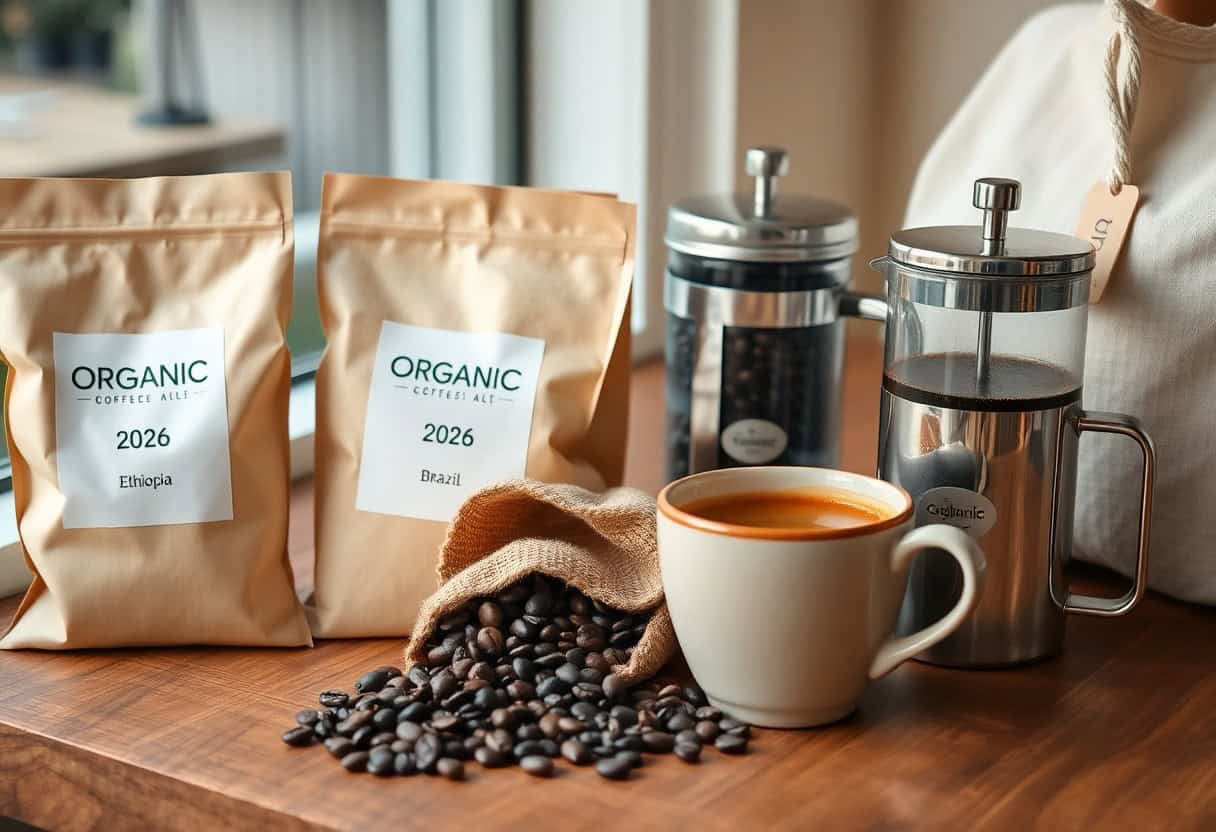
TL;DR: The best organic coffee brands combine clean sourcing with real flavour. This guide ranks 7 organic coffee brands worth buying in 2026 for taste, ethics, and value.
Table of Contents
You want coffee that’s good for you and the planet, and some brands still use harmful pesticides despite organic labels. This guide reveals the truly clean, ethically sourced options. These top 2026 picks deliver rich flavor, verified certifications, and sustainable farming-so your morning cup supports health and environmental integrity.
Key Takeaways:
- Top organic coffee brands in 2026 prioritize transparent sourcing, with many offering direct traceability from farm to cup through QR codes on packaging.
- Several leading brands now use regenerative farming practices, going beyond basic organic certification to improve soil health and reduce carbon emissions.
- Flavor innovation is rising, with small-batch roasters introducing single-origin beans from emerging regions like Burundi and Papua New Guinea.
- Compostable packaging has become standard among the best brands, replacing traditional foil-lined bags to meet stricter environmental standards.
- Consumer demand for fair labor practices influences brand reputation, pushing companies to publish wage data and farm partnership details.
Organic Coffee Brands: The Grit and Soul of the Modern Bean
What Makes Organic Coffee More Than a Label
You’ve seen the certifications, read the claims, and tasted the difference-organic coffee isn’t just about avoiding synthetic pesticides. It’s about a commitment to soil health, biodiversity, and long-term sustainability. Every bean grown without chemical inputs supports ecosystems that conventional farming often degrades. When you choose organic, you’re not just buying a beverage; you’re endorsing farming practices that protect water sources, reduce pollution, and preserve land for future generations. That shift in mindset-from consumer to steward-is what defines the modern coffee drinker.
The Farmers Behind Your Morning Cup
Behind every bag of truly ethical organic coffee are farmers who face unpredictable weather, volatile markets, and rising production costs. These growers invest extra labor to maintain organic standards, often without immediate financial reward. Their resilience shapes the character of the beans you brew. Supporting brands that pay fair wages and offer direct trade relationships ensures these farmers aren’t just surviving-they’re thriving. You hold influence with every purchase, and your choices can help transform agricultural communities from exploited to empowered.
Flavor as a Measure of Integrity
Flavor tells a story, and in organic coffee, it often reflects care, patience, and terroir. Without chemical shortcuts, farmers rely on compost, shade cover, and crop rotation-methods that slowly enrich the soil and produce beans with deeper, more complex profiles. You’ll notice brighter acidity in high-altitude Ethiopian beans, or a velvety chocolate note in a Guatemalan organic roast. These aren’t accidental tastes-they’re the direct result of sustainable practices aligning with natural growing conditions. When flavor and ethics converge, you’re not just drinking coffee-you’re experiencing integrity in liquid form.
The Hidden Cost of Cutting Corners
Not all organic brands uphold the same standards. Some prioritize certification over transparency, sourcing from large plantations that mimic sustainability without delivering real change. These operations may meet the bare minimum for USDA or EU organic labeling but still exploit labor or degrade land over time. Blind trust in a green label can unintentionally support greenwashing. That’s why it’s crucial to research beyond the packaging-look for third-party audits, farm visits, and public sourcing reports. Your awareness protects both the planet and the people who feed it.
The Elite Roasters of the New Era
Small-Batch Innovation with Global Impact
You’ll find that the most respected organic coffee roasters in 2026 are redefining quality through precision and purpose. These artisans operate on a small-batch scale, ensuring every roast is monitored for flavor development, moisture content, and bean integrity. What sets them apart isn’t just their equipment-it’s their philosophy. They source directly from farms using regenerative agriculture, a practice that reverses soil degradation and captures carbon, making each cup a contribution to climate resilience. You’re not just drinking coffee; you’re supporting a system that heals the land.
Transparency That Builds Trust
Every bag from these elite roasters includes a traceability code linking directly to the farm, harvest date, elevation, and even the farmer’s story. This level of openness was rare a decade ago, but now it’s expected. You can see exactly how much the farmer was paid-often 30-50% above Fair Trade minimums-ensuring ethical compensation without marketing fluff. There’s no guesswork about whether your purchase aligns with your values. The data is public, auditable, and updated in real time.
Flavor Profiles Engineered for Experience
Flavor is no longer left to chance. These roasters use AI-assisted roasting profiles calibrated to highlight the unique terroir of each origin. You’ll taste notes of stone fruit from Ethiopian beans grown at 2,200 meters or the dark chocolate richness of Peruvian highland crops-all without artificial enhancements. The absence of chemical residues due to certified organic processing means cleaner aftertastes and fewer allergens. Your palate detects the purity, and your body responds to the absence of synthetic inputs.
Sustainability Beyond the Bean
Packaging now matches the integrity of the product inside. Leading brands use compostable, plant-based films that break down in under 12 weeks, a stark contrast to the centuries-long decomposition of plastic-lined bags. Some even offer return programs where you mail back used pouches for industrial composting. What makes this shift powerful is its scalability-these aren’t niche experiments. Major distributors have adopted these materials, meaning your choice influences industry-wide change. The elimination of single-use plastic in coffee packaging is no longer aspirational; it’s operational.
Small Batch Pioneers to Watch
Artisan Roasters Redefining Quality
You’ll find that some of the most impactful innovations in organic coffee come from micro-roasters who prioritize precision over volume. These artisans often source directly from family-run farms, ensuring every bean meets strict organic standards while supporting sustainable livelihoods. What sets them apart isn’t just flavor-it’s traceability. When you buy from these roasters, you’re getting a batch number, roast date, and often a story about the grower. That level of transparency is rare in mass-market coffee and represents a shift toward more conscious consumption.
Hidden Risks in Limited Availability
Some of these small brands rotate offerings so frequently that your favorite blend might disappear without warning.
While this reflects their commitment to seasonal, fresh harvests, it also means you can’t always rely on consistent availability.
If you’re used to grabbing the same bag every month at the grocery store, this model will challenge your routine.
Yet that unpredictability is also a sign of authenticity-these roasters won’t cut corners or use filler beans to maintain stock. The trade-off is worth it if you value purity and peak freshness over convenience.
Why Direct Trade Matters More Than Certifications
Certifications like USDA Organic matter, but with these small players, you’ll often see an emphasis on direct trade relationships instead.
That means the roaster visits the farm, negotiates fair prices, and builds long-term partnerships. While not every one carries a third-party seal, their sourcing practices frequently exceed standard organic requirements.
You’re trusting their integrity, and most publish detailed sourcing reports to back their claims.
This model reduces environmental harm by cutting out middlemen and lowering carbon miles-a quiet revolution happening one batch at a time.
Flavor Profiles That Challenge the Norm
Expect notes you’ve never tasted in mainstream coffee-think tamarind, hibiscus, or toasted sesame.
These roasters experiment with fermentation, altitude-specific harvesting, and varietal selection to create profiles that surprise even seasoned drinkers.
Their small-scale operations allow for precise control over every stage, from drying method to roast curve.
If you’re tired of predictable, one-note brews, these beans offer a revelatory experience that changes how you think about coffee’s potential.
The Mechanics of the Perfect Roast
How Roast Profiles Shape Flavor
You’ve likely noticed how some organic coffees taste bright and fruity while others deliver deep chocolate or smoky notes. This variation comes down to roast profile-the precise control of time, temperature, and airflow during roasting. A well-executed roast enhances the bean’s natural characteristics without masking them with char or bitterness. Light roasts preserve delicate floral and citrus tones, especially in high-altitude beans, while medium roasts balance acidity and body. Dark roasts, when done right, bring out richness without incinerating the bean’s integrity. The best organic brands invest in skilled roasters who treat each batch as a craft, not a commodity.
Why Temperature Control Matters
Temperature fluctuations during roasting can create uneven development, leading to sour or burnt flavors. Consistent heat ensures every bean reaches its optimal chemical transformation. Under-roasting risks leaving behind grassy, astringent notes and may increase the chance of mold residue, which is why sourcing mold-free beans becomes even more critical. Brands that prioritize clean, organic practices often pair their sourcing with precision roasting tech, like drum roasters with real-time monitoring. This level of control means you’re not just buying organic-you’re getting a safer, more flavorful cup. For a deeper look at which brands pass rigorous mold testing, check out this Best Organic Mold Free Coffee (2026 Guide + Tested ….
The Role of Post-Roast Resting
Roasting isn’t the end of the process-beans need time to degas. Freshly roasted coffee releases carbon dioxide, which can interfere with extraction and create a bubbly, uneven brew. Allowing beans to rest for 12 to 72 hours after roasting stabilizes their flavor potential. Skipping this step leads to inconsistent taste and underwhelming aroma, no matter how premium the beans. Top organic brands stamp roast dates, not just expiration dates, so you know exactly when they were rested. This transparency shows respect for the craft and for you, the drinker, who deserves peak freshness in every pour.
Sensory Profiles of 2026
Bright Acidity and Citrus Nuances
You’ll notice a growing trend toward bright, clean acidity in top organic coffees this year. Many leading brands are sourcing beans from high-altitude Ethiopian and Kenyan farms where cooler climates slow bean development, enhancing natural citric complexity. Expect notes of bergamot, pink grapefruit, and Meyer lemon in light roasts, especially from single-origin lots. These profiles are reshaping consumer expectations about what organic coffee can taste like-far from the flat, earthy tones once associated with sustainable beans.
Floral and Tea-Like Complexity
Some of the most memorable cups in 2026 unfold like fine oolong or jasmine tea, with delicate florals dancing beneath the surface. Washed-process beans from Colombia and Rwanda are particularly expressive in this range, offering aromas of honeysuckle, chamomile, and fresh magnolia. When brewed as pour-over or cold brew, these coffees reveal a surprising elegance that challenges the notion that organic means rustic or inconsistent. You’ll find clarity and balance taking center stage in these sensory experiences.
Rich Body with Chocolate and Stone Fruit Depth
Dark chocolate, ripe plum, and black cherry dominate the profile of medium to dark roast organic blends this year. These deeper notes emerge from carefully managed fermentation and extended drying times, techniques now standard among ethical producers aiming for both sustainability and flavor precision. You’ll appreciate how these coffees maintain sweetness without bitterness, a sign of advanced post-harvest control that was rare in organic farming just five years ago. The mouthfeel is often syrupy or creamy, making them ideal for espresso or milk-based drinks.Emerging Fermentation-Driven Profiles
Controlled anaerobic and carbonic maceration processes are no longer experimental-they’re defining a new class of organic coffee in 2026. You’ll encounter bottles (yes, bottles) of nitrogen-flushed, barrel-fermented beans with tasting notes like red wine reduction, tamarind, and even blue raspberry. While these profiles push boundaries, they also carry potential risks: inconsistency between batches and over-fermentation that can mask terroir. Approach them with curiosity, but prioritize brands that document their fermentation timelines transparently.
Navigating the Marketplace
Understanding Certification Labels
Every certified organic coffee brand must meet strict agricultural standards enforced by recognized regulatory bodies. In the U.S., the USDA Organic seal guarantees that at least 95% of ingredients are grown without synthetic pesticides or genetically modified organisms. When you see this label, you can trust that the beans were cultivated with environmental sustainability in mind. Be cautious of terms like “natural” or “eco-friendly,” which are unregulated and often used to mislead consumers. Look instead for third-party certifications such as EU Organic, Canada Organic, or JAS (Japan Agricultural Standard) if purchasing internationally. These symbols are your assurance that the product meets rigorous organic criteria.
Spotting Greenwashing Tactics
Some companies use earth-toned packaging and vague claims like “sustainably sourced” to create the illusion of environmental responsibility. You might assume these brands prioritize ethical farming, but without verified certification, such statements mean little. Brands that avoid clear labeling or refuse to disclose farm origins are often hiding unsustainable practices. Pay attention to transparency-reputable companies proudly share details about their growers, harvest methods, and supply chain. If a brand makes bold claims but offers no proof, treat it as a red flag.
Price vs. Value: What You’re Really Paying For
Organic coffee often costs more than conventional options, but the higher price reflects real value. You’re supporting farming methods that protect soil health, conserve water, and reduce pollution. Unfairly low prices can indicate underpaid labor or compromised organic standards. While budget matters, consistently choosing the cheapest option may mean sacrificing quality and ethics. Instead, focus on brands that offer fair pricing relative to their transparency, roast freshness, and sourcing integrity. A slightly higher cost per bag often translates to better taste, cleaner production, and long-term environmental benefits.
Where to Buy With Confidence
Your purchase location impacts both freshness and authenticity. Specialty roasters and direct-trade online retailers typically provide more detailed sourcing information than mass-market grocery chains. When you buy from a brand’s official website, you often get beans roasted to order, ensuring peak flavor. Third-party marketplaces like Amazon may carry counterfeit or expired organic products, so verify the seller’s authorization. Subscription services from trusted brands also offer convenience while maintaining quality control. Choose channels that prioritize traceability and freshness over speed and convenience.
To wrap up
From above, you see that the best organic coffee brands in 2026 combine ethical sourcing, rich flavor, and certified sustainability.
Brands like Kicking Horse, Lifeboost, and Onyx stand out for their transparency, low environmental impact, and consistent quality.
You can trust these labels to deliver a clean, flavorful cup while supporting farming practices that protect soil health and farmer livelihoods.
Your choice shapes demand-opting for these brands supports a healthier planet and better coffee.
Key Takeaways: Organic Coffee Brands
- Certification matters — the best organic coffee brands carry credible USDA or EU organic seals.
- Freshness wins — top organic coffee brands roast to order and date their bags.
- Ethics included — leading organic coffee brands pair organic with fair-trade sourcing.
- Flavour first — the best organic coffee brands never trade taste for a label.
- Value scales — buying organic coffee brands in whole bean saves money long term.
How to Choose Organic Coffee Brands
Picking between organic coffee brands comes down to roast freshness, certification, and brew method. Explore more guides below.
For industry standards, see the Specialty Coffee Association.
FAQs: Organic Coffee Brands
Q: What makes a coffee brand truly organic in 2026?
A: A coffee brand is certified organic if it meets strict agricultural standards set by recognized authorities like the USDA, EU Organic, or Canada Organic.
In 2026, truly organic coffee is grown without synthetic pesticides, herbicides, or fertilizers. The farms must maintain soil health through natural composting and crop rotation.
Third-party audits verify compliance, and packaging often includes certification seals. Brands that transparently share farm locations, sourcing practices, and certification details are more trustworthy.
Organic also means no GMOs at any stage of production.
Q: Which organic coffee brand offers the best balance of flavor and sustainability?
A: In 2026, Onyx Coffee Lab stands out for combining exceptional taste with strong environmental ethics.
Their single-origin beans from Latin America and Africa are roasted in small batches to highlight natural flavor notes like citrus, dark chocolate, and stone fruit.
The company uses 100% renewable energy in roasting, compostable packaging, and direct-trade relationships with farmers. Customers consistently praise the clean, complex profiles and low environmental footprint.
Their transparency in pricing and farming practices builds long-term trust.
Q: Is organic coffee worth the higher price in 2026?
A: Many consumers find organic coffee worth the extra cost due to health, environmental, and ethical benefits. Without chemical residues, organic beans may reduce exposure to toxins.
Farming methods protect ecosystems, conserve water, and support biodiversity. The higher price often reflects fair wages for farmers and sustainable growing practices.
In 2026, brands like Kicking Horse Coffee and Java Planet offer mid-range pricing without sacrificing quality.
Taste tests show organic coffees frequently deliver smoother, richer profiles with less bitterness, making the investment noticeable in daily enjoyment.
Q: How can I verify if an organic coffee brand is genuinely sustainable?
A: Look beyond the “organic” label and check for additional certifications like Fair Trade, Bird Friendly, or Rainforest Alliance. These indicate ethical labor practices and habitat protection.
Reputable brands publish sourcing details on their websites, including farm names, regions, and harvest dates. They often share stories about farmers and environmental initiatives.
Packaging with compostable materials or carbon-neutral shipping labels adds credibility.
In 2026, companies like Counter Culture Coffee provide traceability through QR codes on bags, linking directly to farm data and roast logs.
Q: What are the top organic coffee brands for espresso lovers in 2026?
A: For espresso, Intelligentsia Coffee and Stumptown Coffee Roasters lead in 2026 with blends designed for rich crema and bold flavor.
Intelligentsia’s Black Cat Classic Espresso uses organic beans from Colombia and Ethiopia, delivering notes of caramel and red berries with balanced acidity.
Stumptown’s Organic Hair Bender is a fan favorite for its deep chocolate and smoky tones, ideal for milk-based drinks. Both brands roast to order, ensuring freshness.
Their commitment to organic farming and precise roasting profiles makes them top picks for home and professional baristas alike.