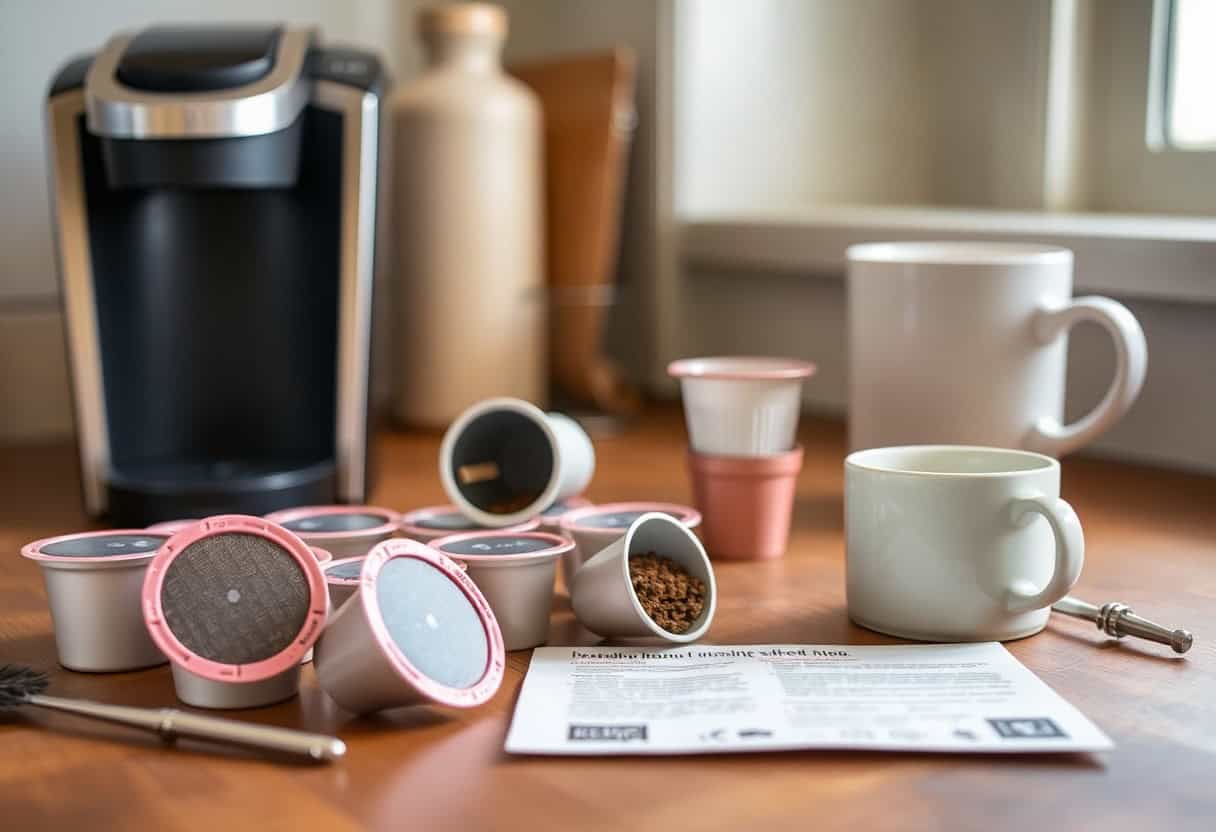
TL;DR: Reusable K-Cup pods let you brew your own ground coffee in a Keurig, cutting plastic waste and cost. The best reusable K-Cup pods seal well, fit your machine, and clean easily. Brew smarter.
Table of Contents
Reusable K-Cup pods save money and reduce waste-one pod can replace hundreds of disposables. You fill them with your favorite coffee, ensuring freshness and full flavor control. Improper cleaning can lead to clogs or bitter taste, so rinse immediately after use. Choose stainless steel or BPA-free plastic models for long-term durability and safety.
Key Takeaways:
- Reusable K-cup pods offer a cost-effective and eco-friendly alternative to single-use pods, reducing plastic waste and saving money over time.
- Most reusable pods are compatible with Keurig machines and similar single-serve brewers, but it’s important to check fit and brewing settings for best results.
- Using a reusable pod requires filling it with your preferred ground coffee, sealing it properly, and cleaning it after each use to prevent clogs and stale flavors.
- Grind size and coffee amount significantly affect taste-too fine a grind can cause over-extraction or machine issues, while too coarse a grind may result in weak coffee.
- Regular maintenance, including rinsing and occasional deep cleaning, keeps reusable pods functioning well and ensures consistent brew quality.
Understanding Reusable K-Cup Pods: Benefits and Compatibility
Switching to reusable K-Cup pods reduces plastic waste and lowers long-term brewing costs. Each year, billions of single-use pods end up in landfills, where they can take centuries to decompose. By choosing a reusable option, you directly cut down on non-recyclable plastic and help reduce environmental strain. Over time, the savings add up-buying whole beans and filling your own pod costs a fraction per cup compared to pre-filled ones.
Environmental impact and cost savings of switching from single-use plastics
Every disposable K-Cup contains plastic, aluminum, and a filter, making it difficult to recycle. When you switch to a reusable pod, you eliminate hundreds of plastic cups annually. This simple change reduces your carbon footprint and supports a more sustainable routine. You’ll also save money-after the initial purchase, each brew costs just pennies.
Identifying machine compatibility: Keurig 1.0 vs. 2.0 systems
Keurig 1.0 brewers accept most reusable pods without issue, giving you wide flexibility in your choice. However, Keurig 2.0 machines were designed with a strict pod recognition system that often rejects third-party or reusable options. Many users report frustration when their 2.0 models refuse to brew with non-licensed pods. If you own a 2.0 system, look for reusable pods specifically labeled as 2.0-compatible or consider downgrading to a 1.0 model for greater freedom.
Your machine’s compatibility determines how smoothly your reusable pod works. Keurig 1.0 systems use a simple puncture-and-brew mechanism, making them highly adaptable. In contrast, 2.0 models scan each pod for a special foil pattern, blocking unapproved inserts. This restriction has led many eco-conscious users to abandon 2.0 machines entirely. Always check your brewer version before purchasing to avoid wasted money and effort.
Essential Factors to Consider When Choosing a Pod
- Look for reusable K-cup pods made from stainless steel or BPA-free plastic to ensure safety and longevity.
- The filter design impacts how much sediment ends up in your cup and affects coffee clarity.
- A secure seal integrity and reliable lid locking mechanism prevent leaks during brewing.
- Choose a pod that fits your Keurig model precisely to avoid malfunctions.
- Thou can enjoy better flavor and less waste with the right combination of build and function.
Material quality: Stainless steel vs. BPA-free plastic mesh
Stainless steel pods resist corrosion and retain no odors, offering a longer lifespan and consistent performance. They’re easier to clean and less likely to absorb coffee oils that degrade taste over time. In contrast, BPA-free plastic options are lightweight and often cheaper, but may warp under high heat or show wear sooner. Some plastic meshes also clog more easily, reducing flow efficiency.
Durability matters most if you brew daily. A high-grade stainless steel pod withstands years of use without leaching chemicals or compromising structural integrity. Though slightly more expensive, it’s a smarter long-term investment. Thou will notice cleaner taste and fewer replacements over time.
Filter design and its effect on sediment and coffee clarity
Filter design directly influences how much fine sediment passes into your coffee. Pods with tightly woven stainless steel mesh trap more fines, resulting in a cleaner, smoother cup. Coarser filters may allow grit to slip through, especially with finely ground beans. The right balance ensures full flavor extraction without a sandy aftertaste.
A well-engineered filter promotes even water dispersion, enhancing extraction efficiency and flavor clarity. Some designs use dual-layer mesh to optimize flow while minimizing residue. Choosing a pod with precision filtration improves every brew. Thou will taste the difference in every sip.
Advanced filter configurations often include laser-cut micro-perforations or layered screens that mimic commercial brewing standards. These features reduce channeling-where water bypasses grounds-and promote uniform saturation.
The result is a richer, more aromatic cup with minimal sludge. Superior filtration doesn’t just look better; it enhances mouthfeel and flavor balance.
Seal integrity and lid locking mechanisms to prevent leaks
A tight seal stops water from escaping around the pod during high-pressure brewing. Pods with silicone gaskets and secure twist or snap lids maintain leak-proof performance across hundreds of uses. Poor seals force water around the grounds, leading to weak coffee and messy machines.
Look for models with audible clicks or visible locking indicators to confirm closure. These features ensure consistent contact with the brewer’s puncture needles. A reliable lid mechanism means fewer spills and more predictable results.
Thou can trust a well-sealed pod to deliver every time.
Over time, repeated heating and cooling can degrade weak seals, especially in plastic units. High-quality silicone rings resist deformation and maintain elasticity, even with daily use.
Some premium pods integrate the gasket directly into the lid, eliminating gaps where pressure escapes. This engineering detail makes all the difference during brewing.

Top-Rated Reusable K-Cup Pods for Every Budget
Choosing the right reusable K-cup means balancing cost, material, and convenience. Whether you brew daily or occasionally, there’s a pod that fits your routine and budget. For those seeking long-term reliability, stainless steel options stand out. You’ll find they resist wear far better than plastic alternatives, maintaining flavor purity over hundreds of uses. Tips for using reusable K cups with Keurig can help you avoid clogs and ensure consistent extraction.
Premium picks: Best stainless steel options for durability
Stainless steel reusable pods offer exceptional longevity and resist absorbing flavors or odors. You’ll notice cleaner, more consistent coffee over time compared to plastic models. These pods handle high pressure without warping, making them ideal for frequent use. Their mesh filters provide better water flow, resulting in a fuller, richer brew. While slightly pricier, their durability means you won’t replace them often.
Best value: Multi-pack options for high-volume households
Buying reusable K-cups in bulk saves money and ensures you always have a clean pod ready. Multi-packs are perfect if multiple people in your home use the Keurig throughout the day. You can rotate them easily and avoid mid-brew cleanup delays.
Most sets include cleaning tools, adding to their practicality.
These multi-packs often feature BPA-free plastic or hybrid designs that balance cost and performance. Having several on hand prevents interruptions in your coffee routine, especially during busy mornings. Look for sets with fine-mesh filters to reduce sediment in your cup and extend the life of your machine.
How to Use Reusable K-Cup Pods for the Perfect Brew
Mastering your reusable K-Cup starts with choosing the right beans and preparing them properly. The freshness and grind size directly impact flavor, so attention here makes a noticeable difference in your cup.
Selecting and grinding the right coffee beans for K-Cup extraction
Great coffee begins with fresh, whole beans. For K-Cup extraction, a medium-fine grind works best-too coarse and the water passes through too quickly, yielding weak coffee; too fine and it may clog or over-extract. Light to medium roasts often highlight more nuanced flavors, while dark roasts deliver bold, rich notes. Always grind just before brewing to preserve aroma and oils.
Step-by-step guide to filling and tamping the pod correctly
Start by measuring 9-12 grams of ground coffee, depending on your pod’s capacity. Gently pour it into the filter basket, leveling it with a finger. A light tamp ensures even extraction without restricting water flow. Overpacking or pressing too hard leads to slow drips or overflow, which can damage your machine.
| Step | Action |
|---|---|
| 1 | Measure 9-12g of medium-fine ground coffee |
| 2 | Pour grounds into the filter basket evenly |
| 3 | Level with your finger, then apply light pressure |
| 4 | Wipe excess grounds from the rim |
Consistency in filling and tamping leads to reliable results. Using a small scale ensures precision, while wiping the rim prevents leaks or misalignment when closing the pod. Always use the lid that fits snugly-some models require twisting or snapping shut. A secure seal keeps water pressure focused through the coffee, not around it.
Proper placement and alignment within the brewer chamber
Position the filled pod with the lid facing up and the handle or tab aligned with the brewer’s opening. Most Keurig models require the pod to sit flat and centered under the needle. If it’s crooked, water won’t pierce correctly, leading to spills or incomplete brewing.
| Check | Action |
|---|---|
| Pod orientation | Lid up, filter down |
| Chamber fit | Pod sits flush, not tilted |
| Needle alignment | Centered over the pod’s top |
Expert Tips for Maximizing Flavor and Performance
To get the most from your reusable K-Cup pods, start with freshly ground coffee beans-they release more aroma and flavor than pre-ground. Use the correct grind size: too fine can clog the filter, too coarse leads to weak coffee. Always clean your pod thoroughly after each use to prevent old oils from tainting your next brew. For consistent results, level off the coffee without tamping it down.
- Choose high-quality, freshly roasted coffee beans
- Use a medium-fine grind size for optimal extraction
- Measure with a small scoop for consistent dosing
- Rinse the reusable filter before first use
Assume that even small changes in your routine can dramatically affect taste and performance.
Using paper filters for a cleaner, sediment-free cup
Placing a paper filter inside your reusable K-Cup reduces sediment and delivers a smoother mouthfeel. This is especially helpful if you use a slightly coarser grind or notice fines in your brew. The paper traps oils and micro-particles, resulting in a cleaner cup that highlights delicate flavor notes.
Just fold a quarter-sized filter to fit snugly in the basket before adding coffee. Assume that this small step makes a noticeable difference in clarity and brightness.
Pro-tips for adjusting brew strength and water temperature
Stronger coffee doesn’t always mean more grounds-try reducing water volume instead. Your Keurig’s “small cup” setting often extracts more efficiently. If your machine allows, adjust the water temperature; hotter water (around 200°F) improves extraction, especially with dark roasts. Pre-heating the pod with hot water also stabilizes brewing conditions.
Assume that control over these variables unlocks café-quality results at home.
| Brew Variable | Recommended Setting |
|---|---|
| Grind size | Medium-fine, like table salt |
| Coffee amount | 1-2 teaspoons, loosely packed |
| Water temperature | 195-205°F for full extraction |
| Brew volume | 6-8 oz for balanced strength |
Controlling brew strength begins with understanding how water interacts with coffee. Use less water for a bolder profile, or try a double brew cycle with a strong setting. Machines with adjustable temperature let you fine-tune for different roast levels-light roasts benefit from higher heat. Always use fresh, filtered water to avoid off-flavors.
- Reduce brew volume for stronger coffee
- Use hotter water temperature for dark roasts
- Experiment with pre-infusion by priming the pod
- Match grind size to your coffee type
Assume that precision in these details transforms your daily cup into something exceptional.
Troubleshooting and Cleaning Maintenance
How to clean and descale your pods to prevent mesh clogging
Regular cleaning keeps your reusable K-cup pods performing well. After each use, rinse the pod under warm water to remove coffee grounds and prevent buildup. For deeper cleaning, soak the mesh filter in a mix of white vinegar and water for 15 minutes, then scrub gently with a soft brush. Never use abrasive pads-they can damage the fine mesh and reduce filtration efficiency.
Resolving common machine errors and needle pressure issues
Pods packed too tightly with coffee can block the machine’s exit needle, triggering a clog alert or causing leaks. Use a medium grind and fill the pod loosely to allow proper water flow. If your machine displays a pressure error, remove the pod and inspect the needles for trapped grounds. Clean them with a paperclip or the manufacturer’s tool to restore function.
Some machines are sensitive to pod thickness or filter placement. Ensure the reusable pod sits flush in the chamber and the lid closes securely. A misaligned pod can prevent proper puncturing, leading to incomplete brewing or error messages. Choosing a pod compatible with your model reduces these issues significantly.
Conclusion
Following this guide, you now know the best reusable K-Cup pods and how to use them effectively. Choosing a durable, easy-to-clean model ensures consistent coffee quality and reduces waste over time.
You control the grind, the amount, and the flavor, giving you full command over your brew. With proper care, these pods last for hundreds of uses, saving money and supporting sustainable habits.
Your daily coffee ritual becomes simpler and more eco-conscious once you adopt a reusable pod. Just fill, tamp, and brew-no special skills needed. You’re not just making coffee; you’re making a choice that benefits both your taste buds and the planet.
Key Takeaways: Reusable K-Cup Pods
- Reusable K-Cup pods cut waste — one pod replaces hundreds of disposables.
- Reusable K-Cup pods save money — ground coffee costs far less per cup.
- Fit matters — confirm the reusable K-Cup pods match your Keurig model.
- Grind matters — a medium grind gets the most from reusable K-Cup pods.
- Easy cleaning — rinse reusable K-Cup pods after each brew to keep flavour clean.
How to Use Reusable K-Cup Pods
Getting great coffee from reusable K-Cup pods comes down to grind, fill level, and upkeep.
- Pick the right beans for reusable K-Cup pods
- Compare coffee brands for your pods
- Other low-waste brewing methods
For brewing standards and coffee quality guidance, see the Specialty Coffee Association.
FAQs: Reusable K-Cup Pods
Q: What are reusable K-Cup pods and how do they work?
A: Reusable K-Cup pods are refillable coffee filters designed to fit into single-serve coffee makers that use K-Cup technology, like Keurig machines.
Instead of using a pre-filled, disposable pod, you fill the reusable version with your own ground coffee.
After adding water to the machine reservoir and placing the filled pod in the holder, the machine punctures the top and bottom of the pod during brewing, allowing hot water to pass through the coffee grounds and into your cup.
These pods typically have a removable or permanent filter made of stainless steel or food-grade plastic.
Q: What are the best reusable K-Cup pods available?
A: Some of the most reliable reusable K-Cup pods include the Keurig My K-Cup Universal, the FrankOne Reusable Coffee Pod, and the Solofill Reusable K-Cup.
The Keurig My K-Cup is made by Keurig and fits most of their brewers, offering consistent brewing and an adjustable strength setting.
The FrankOne pod features a fine stainless steel mesh that prevents fine grounds from entering your coffee and is known for durability. The Solofill model includes a built-in stirring spoon and a wide opening for easy filling and cleaning.
Each has pros depending on your machine model and coffee preference.
Q: How do I clean and maintain a reusable K-Cup pod?
A: After each use, disassemble the pod if possible and rinse the filter basket under warm water to remove coffee grounds. Use a soft brush or toothbrush to clean the mesh screen, especially if coffee residue builds up.
For deeper cleaning, soak the pod in warm, soapy water for 10-15 minutes, then rinse thoroughly. Avoid using abrasive scrubbers that can damage the filter. Let all parts air dry completely before reassembling.
Regular cleaning prevents clogs and ensures your coffee tastes fresh without old residue affecting the flavor.
Q: Can using a reusable K-Cup pod damage my coffee maker?
A: Reusable K-Cup pods will not damage your coffee maker if used correctly. Choose a pod that matches your machine’s specifications and avoid overfilling it with coffee grounds.
Overpacking can restrict water flow and increase internal pressure, potentially leading to leaks or strain on the pump. Always follow the manufacturer’s instructions for both the pod and your coffee machine.
Many users report no issues after years of use, as long as the pod is clean and properly seated.
Q: What type of coffee should I use in a reusable K-Cup pod?
A: Use medium-grind coffee for best results in a reusable K-Cup pod. A grind that’s too fine can slip through the filter or clog it, leading to messy brewing or weak coffee. Coarse grinds may allow water to pass too quickly, resulting in a weak brew.
Freshly ground beans give the best flavor, but pre-ground coffee works well if stored properly. Avoid flavored or oily beans unless your pod is designed to handle them, as oils can build up and be harder to clean over time.