Pre-workout Coffee is the cheapest legal performance enhancer in any gym. The right pre-workout coffee dose (3-6 mg/kg) 45 minutes before lifting lifts power, endurance, and pain tolerance. Here are 7 proven wins.
Table of Contents
Table of Contents
TL;DR — pre-workout coffee: pre-workout coffee is a real performance lever — but only when dose and timing line up with the session type. This guide breaks down what pre-workout coffee actually changes, the right window before training, and the seven dosing rules that beat trial-and-error.
Most people experience increased energy and focus when drinking coffee before exercise, thanks to caffeine’s ability to stimulate the central nervous system. Consuming 3-6 mg of caffeine per kg of body weight about 30-60 minutes before training can enhance performance. However, those with heart conditions, anxiety, or caffeine sensitivity should avoid it due to potential side effects like rapid heartbeat or jitteriness.
Key Takeaways:
- Coffee can boost workout performance by increasing alertness and endurance, with benefits typically seen from 3 to 6 mg of caffeine per kilogram of body weight-roughly one to two cups of brewed coffee for most people.
- For maximum effect, drink coffee about 30 to 60 minutes before exercising to allow time for caffeine absorption and peak blood concentration.
- People with anxiety, heart conditions, or caffeine sensitivity may experience jitteriness, increased heart rate, or digestive discomfort and should consider skipping pre-workout coffee.
- Regular caffeine users may notice diminished effects over time due to tolerance, so cycling intake or taking breaks can help maintain effectiveness.
- Black coffee is a low-calorie option that won’t weigh you down, but adding sugar, cream, or flavored syrups can reduce its benefits and slow digestion before a workout.

The Chemistry of the Bean
How Caffeine Interacts With Your Body
Caffeine reaches your bloodstream within 10 to 15 minutes after consumption, quickly crossing into your brain. Once there, it blocks adenosine receptors-chemicals that promote relaxation and drowsiness. By doing so, it increases alertness and delays the onset of fatigue, which is why you often feel more focused and energized after your morning cup. Your heart rate may rise slightly, and adrenaline levels begin to climb, priming your body for physical activity. This physiological shift is exactly what makes coffee a popular pre-workout choice for many.
The Dopamine and Performance Connection
You experience a mood lift shortly after drinking coffee because caffeine stimulates the release of dopamine in the brain’s reward centers. This isn’t just about feeling good-elevated dopamine can enhance motivation and perceived effort during exercise. When your brain interprets movement as more rewarding, you’re likely to push harder, whether you’re lifting weights or sprinting on the treadmill. Over time, this subtle psychological edge can contribute to better consistency and performance gains.
Metabolism and Fat Oxidation Effects
Your body begins tapping into fat stores more efficiently when caffeine is in your system. Caffeine stimulates the nervous system to signal fat cells to break down fat, releasing fatty acids into the bloodstream for energy. This process, known as lipolysis, can improve endurance performance, especially during moderate-intensity workouts lasting more than 60 minutes. While the effect varies from person to person, many athletes rely on this boost to sustain longer training sessions without hitting a wall.
Timing Matters: Peak Levels and Performance Windows
Plasma caffeine concentration peaks about 30 to 60 minutes after ingestion, aligning closely with the ideal window for starting your workout. If you drink coffee too early, the effects may taper off before your session ends. Too late, and you might deal with jitters or gastrointestinal discomfort. For most people, consuming coffee 30 to 45 minutes before exercise delivers optimal focus and energy without side effects. This timing allows your body to absorb the caffeine fully while syncing its peak action with your most demanding sets or intervals.
Timing the First Sip
When Caffeine Peaks in Your System
Caffeine reaches its highest concentration in your bloodstream about 30 to 60 minutes after consumption, and that’s when you’ll feel its full effect. If you chug your coffee right before lacing up your shoes, you might miss the optimal performance window. Instead, aim to finish your cup roughly 45 minutes before starting your workout-this gives your body enough time to absorb the caffeine and let it enhance focus, endurance, and muscle efficiency.
Matching Your Brew to Your Routine
Your workout schedule plays a big role in deciding when to drink. For morning exercisers, having coffee as part of your pre-gym ritual makes sense-just time it so the caffeine kicks in as you begin. If you train in the afternoon or evening, be cautious: drinking too late can interfere with sleep, even if you don’t feel jittery. Consuming caffeine within six hours of bedtime may disrupt sleep quality, which harms recovery and long-term performance.
Fast vs. Slow Absorption Matters
The form of caffeine you choose changes how quickly it acts. Black coffee tends to be absorbed faster than espresso or supplements with fats or fibers. If you’re sensitive to timing, stick to a simple brew on an empty stomach for the quickest effect. However, if you experience stomach discomfort, pairing your coffee with a small snack can slow absorption slightly-but don’t delay it so much that the boost arrives too late. Even a 15-minute miscalculation can mean starting strong or fading early.
Measuring the Proper Dose
Understanding Your Personal Threshold
Caffeine affects everyone differently, and your ideal dose depends on body weight, tolerance, and sensitivity. For most people, 3-6 mg of caffeine per kilogram of body weight taken 30-60 minutes before exercise offers performance benefits without unwanted side effects. If you weigh 70 kg (about 154 lbs), that’s roughly 210-420 mg of caffeine-equivalent to 1-2 standard cups of brewed coffee. Start at the lower end to assess how your body responds, especially if you’re new to using coffee before training.
Watch for Signs of Too Much
You may feel jittery, anxious, or experience an elevated heart rate if you exceed your personal limit. Overdosing on caffeine can lead to gastrointestinal distress, insomnia, or even heart palpitations, particularly during intense sessions. These symptoms aren’t just uncomfortable-they can impair your workout and recovery. If you’ve ever felt shaky or nauseous after your pre-workout coffee, you likely went over your threshold. Adjusting your intake can make a significant difference in how you feel and perform.
Timing Matters as Much as Quantity
Drinking your coffee too early or too late can reduce its effectiveness. Caffeine peaks in your bloodstream about 45-60 minutes after consumption, so aim to finish your cup within that window before starting your workout. Drinking it right before lifting or running might mean you miss the performance boost when you need it most. For early morning sessions, consider preparing your coffee as part of your wake-up routine to align timing perfectly.
When to Seek Alternatives
You don’t have to rely on coffee if it doesn’t agree with you. Some people experience acid reflux or increased anxiety even with small amounts. In those cases, a lower-caffeine option like green tea or a controlled supplement might be a better fit. For evidence-based insights on how caffeine impacts athletic performance, check out this detailed guide: Coffee before workout: Benefits, risks and timing – On Running. It breaks down the science behind timing, dosage, and individual variation in a practical way.
Benefits on the Field and in the Gym
Improved Endurance and Performance
You may notice a real difference in how long you can push yourself during cardio or endurance training when you’ve had coffee beforehand. Caffeine increases the release of adrenaline, which prepares your body for physical exertion by boosting heart rate and sending more oxygen to your muscles. This physiological shift can help you sustain higher intensity for longer, whether you’re running, cycling, or swimming. Studies show trained athletes who consume caffeine before exercise often report being able to go 10-15% longer before exhaustion sets in.
Enhanced Strength and Power Output
Your muscles respond more efficiently to neural signals when caffeine is in your system. This means each contraction can be slightly stronger and faster, giving you an edge during resistance training or explosive movements like sprints and jumps. Research confirms that caffeine can increase muscular strength by 2-5%, which might seem small but can be the difference between hitting a new personal record or falling short. You’ll likely feel sharper and more capable during heavy lifts or high-intensity interval sets.
Sharper Focus and Reduced Perceived Effort
One of the most immediate benefits you’ll experience is mental clarity. Caffeine blocks adenosine receptors in your brain, reducing feelings of fatigue and drowsiness. As a result, your workout feels easier-even when you’re pushing hard. You’ll perceive the same level of effort as less taxing, which can help you maintain form, stay consistent with pacing, and avoid early burnout. This mental edge is especially useful during long training sessions or late-day workouts when energy naturally dips.
Increased Fat Utilization During Exercise
Your body taps into fat stores more readily when caffeine is present, especially during aerobic activity. This metabolic shift means you preserve glycogen for later in your workout, delaying fatigue. For endurance athletes, this can mean sustained energy over long distances without needing constant fueling. Even if you’re not training for a marathon, this effect supports more efficient workouts and better overall energy management.
Those Who Should Leave the Pot Cold
Individuals with Heart Conditions
Caffeine increases heart rate and blood pressure, which can be dangerous if you have an underlying cardiovascular condition. If you’ve been diagnosed with arrhythmia, hypertension, or any form of heart disease, your body may not tolerate the added strain a pre-workout coffee introduces. Your doctor may have already advised limiting stimulants, and this is one time you should listen closely. Even a single cup could trigger palpitations or dizziness during exercise, putting you at risk. When your heart is already working harder than it should, adding caffeine is like pressing the gas pedal when the engine’s overheating.
People Prone to Anxiety or Panic Attacks
You know how your hands tremble or your thoughts race after too much coffee. If you’re prone to anxiety, that jittery feeling isn’t just uncomfortable-it can escalate into a full-blown panic attack, especially during intense physical activity.
Exercise naturally elevates adrenaline, and caffeine amplifies that effect. The combination might turn a routine session into an overwhelming experience.
For you, skipping the coffee isn’t about missing out-it’s about protecting your mental well-being. A calm mind supports better performance, not a wired one.
Those with Gastrointestinal Sensitivities
Your digestive system reacts quickly to coffee, often within minutes. If you struggle with acid reflux, IBS, or frequent stomach upset, drinking coffee before moving your body can lead to cramping, nausea, or worse-unexpected bathroom breaks mid-workout. The physical jostling of running or lifting can push stomach acid upward, making heartburn more likely. Even low-acid blends may not spare you. In your case, the discomfort outweighs any performance benefit. Choosing a non-stimulant alternative keeps your gut stable and your focus where it belongs: on your form and effort.
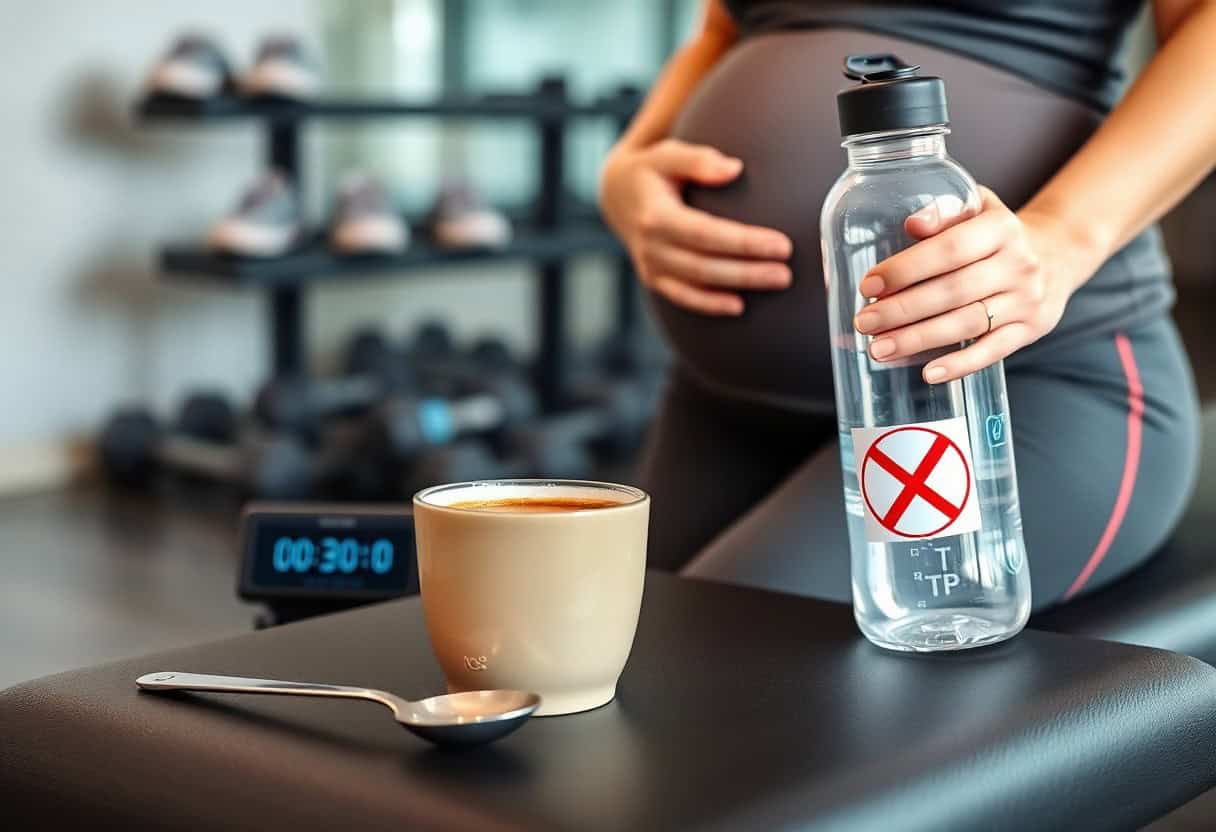
Pregnant Individuals
During pregnancy, your body processes caffeine more slowly, allowing it to stay in your system longer and cross the placenta. Health organizations generally recommend limiting intake to under 200 mg per day, but timing matters just as much.
Exercising after consuming coffee could spike your heart rate and your baby’s, potentially reducing blood flow to the uterus during activity.
While moderate caffeine isn’t automatically off-limits, pairing it with a workout adds variables best avoided. Your safest move is to hydrate with water or a caffeine-free electrolyte drink instead.
Anyone Experiencing Poor Sleep or Chronic Stress
Sleep is non-negotiable for recovery and performance, and caffeine-even in the morning-can disrupt your sleep cycle if you’re sensitive. If you’re already exhausted or under high stress, adding a stimulant may push your nervous system into overdrive.
Instead of feeling energized, you might feel frazzled or flat by midday. Over time, this pattern harms hormone balance and weakens resilience. For you, the short-term boost isn’t worth the long-term cost.
Letting the pot stay cold gives your body a chance to reset and respond better to both workouts and rest.
Hydration and the Diuretic Myth
The Truth About Caffeine and Fluid Loss
You’ve probably heard that coffee dehydrates you because it’s a diuretic. While caffeine does have mild diuretic properties, the effect is minimal when consumed in moderate amounts. Drinking a regular cup of coffee before your workout won’t throw your hydration status off balance, especially if you’re used to caffeine. Your body adapts quickly, and regular coffee drinkers experience little to no increase in urine output after their morning cup. In fact, the fluid in coffee still contributes to your daily hydration needs-meaning your pre-workout brew counts toward your water intake, not against it.
Why Hydration Still Matters
Even if coffee isn’t dehydrating you, your workout definitely can. Exercise increases fluid loss through sweat, and starting a session even slightly dehydrated can impair performance and focus. That’s why pairing your coffee with an extra glass of water is a smart move. Think of it this way: caffeine gives you energy, but water keeps your muscles and brain functioning at their best. If you’re drinking coffee on an empty stomach before training, make sure you’re also sipping water before, during, and after your session to stay in balance.
When the Myth Becomes a Risk
Problems arise when you overdo it-like chugging multiple strong espressos and skipping water altogether. High doses of caffeine, especially above 400 mg, can increase urine production enough to tip the scales toward dehydration, particularly in hot environments or during long workouts. This is especially risky if you’re exercising outdoors or doing endurance training. If you’re sensitive to caffeine or not a regular consumer, your body may react more strongly, making hydration harder to maintain. In those cases, the diuretic effect isn’t just a myth-it’s a real concern.
Summing up
Conclusively, drinking coffee before a workout can enhance focus and endurance, but timing and dosage matter. Aim for 3-5 mg of caffeine per kilogram of body weight, consumed 30 to 60 minutes before exercise for optimal effect.
You respond to caffeine differently based on genetics and tolerance, so adjust accordingly. Avoid coffee if you’re sensitive to stimulants, have heart concerns, or experience anxiety or insomnia.
Pregnant individuals and those with certain medical conditions should also skip it. Listen to your body and prioritize safety over performance.
Key Takeaways: Pre-Workout Coffee
- Time pre-workout coffee 30-45 min pre-session — that’s the caffeine absorption window.
- Dose pre-workout coffee by bodyweight — 3-6mg/kg is the proven range.
- Hydrate alongside pre-workout coffee — caffeine is mildly diuretic at higher doses.
- Skip pre-workout coffee late in the day — half-life kills sleep quality if dosed past 2pm.
- Cycle pre-workout coffee for tolerance — effects flatten within 2-3 weeks of daily use.
Apply Pre-Workout Coffee to Your Training
Lock in dose, timing, and hydration before changing anything else in your routine.
- how daily caffeine limit affects pre-workout coffee dosing
- the hydration myth — pre-workout coffee and water balance
- when pre-workout coffee triggers jitters and how to avoid them
For independent guidance on caffeine and exercise from a recognised industry source, see the Specialty Coffee Association.
Key Takeaways: Pre-workout Coffee
- Dose for pre-workout coffee is 3-6 mg/kg bodyweight, 30-45 minutes pre-session.
- Strength gains with pre-workout coffee show 2-4% improvement in max lifts across studies.
- Endurance from pre-workout coffee jumps 10-15% on aerobic tests.
- Pain tolerance during pre-workout coffee shifts upward — set-grinding feels easier.
- Skip pre-workout coffee if you have arrhythmia, severe anxiety, or train within 6 hours of sleep.
Apply This Today
Putting pre-workout coffee to work starts with measuring dose by bodyweight, not feel. A 75kg lifter wants 225-450mg — track and tune.
- Coffee and brain health — sister study to pre-workout coffee
- Cold brew delivers pre-workout coffee caffeine smoothly
- Coffee for diabetes — same molecule as pre-workout coffee
For authoritative coffee science, see the Specialty Coffee Association.
FAQs: Pre-workout Coffee
Q: How much coffee should I drink before a workout?
A: Most research suggests 3 to 6 milligrams of caffeine per kilogram of body weight is effective for improving exercise performance.
For a 150-pound (68 kg) person, that’s about 200 to 400 mg of caffeine, roughly one to two standard cups of brewed coffee. Starting with a lower dose helps assess tolerance.
Too much caffeine can cause jitteriness, stomach upset, or a racing heart, especially if you’re not used to it.
Q: When is the best time to drink coffee before exercising?
A: Drink your coffee 30 to 60 minutes before starting your workout. Caffeine peaks in the bloodstream around the 45-minute mark for most people, aligning well with the start of physical activity.
If you’re doing early morning training and drink coffee right after waking, allow at least 30 minutes before beginning to let the caffeine take effect.
Q: Can coffee actually improve my workout performance?
A: Yes, caffeine in coffee can enhance endurance, strength, and focus during exercise. It works by stimulating the central nervous system, reducing the perception of effort and fatigue.
Studies show it may increase time to exhaustion during cardio and improve power output in resistance training. The effects vary by individual, but many people feel more alert and motivated after a pre-workout cup.
Q: Are there any side effects of drinking coffee before exercise?
A: Some people experience increased heart rate, anxiety, or digestive discomfort when drinking coffee before a workout. Caffeine can also raise blood pressure temporarily, which may be a concern for those with uncontrolled hypertension.
Dehydration is a common myth-moderate coffee intake doesn’t dehydrate you-but excessive amounts might lead to frequent urination or electrolyte imbalance during long sessions.
Q: Who should avoid coffee before working out?
A: People with heart conditions, uncontrolled high blood pressure, or anxiety disorders may want to skip pre-workout coffee. Pregnant individuals should limit caffeine and consult a doctor.
Those sensitive to caffeine or who experience acid reflux should also consider alternatives. If coffee causes you to feel shaky or nauseous during exercise, it’s best to avoid it before training.