AI disclosure: this content, including any imagery, was artificially generated.
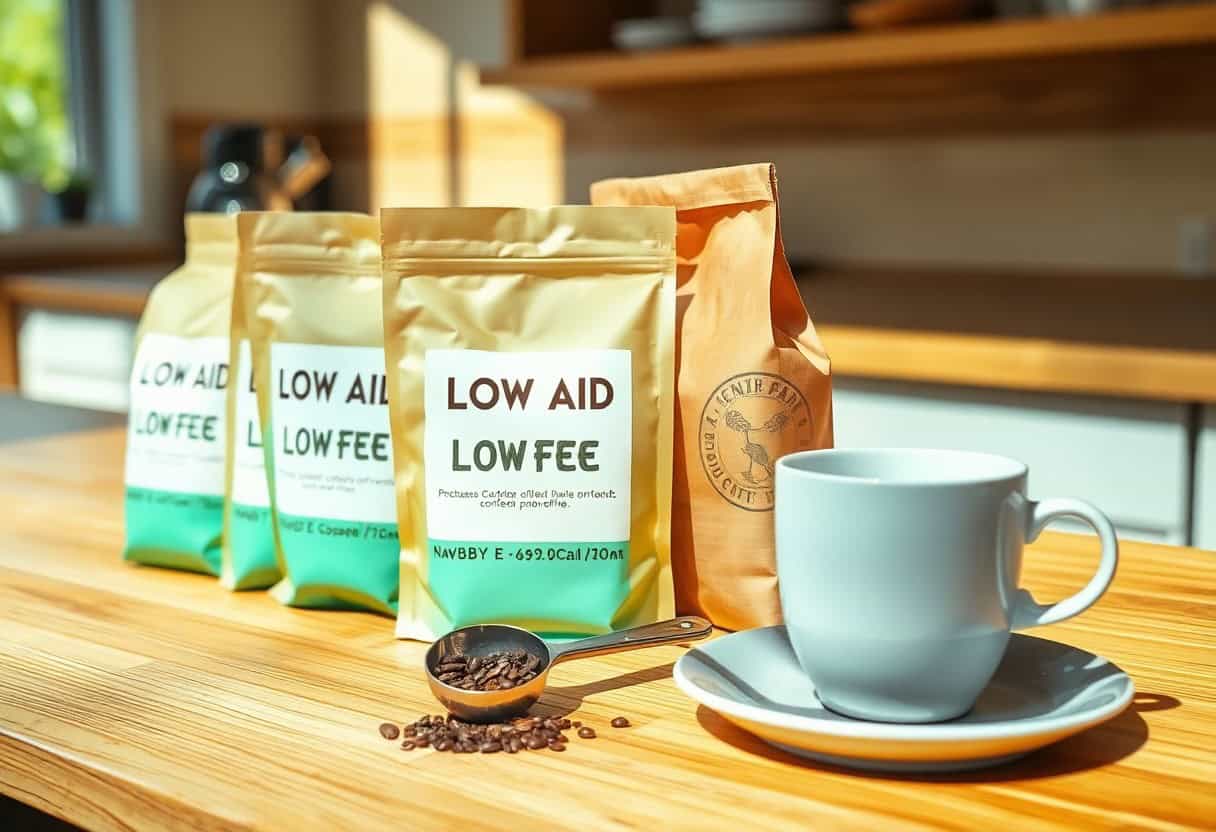
TL;DR: The best low-acid coffee keeps flavor high and stomach irritation low. We rank low-acid coffee brands by roast, process, and acidity so sensitive drinkers can enjoy every cup.
Table of Contents
You may experience less heartburn and acid reflux by switching to low-acid coffee. Many popular brands now use special roasting or sourcing methods to reduce acidity while preserving flavor. For those with chronic stomach sensitivity, this change can make daily coffee enjoyable again. You don’t have to sacrifice taste for comfort-these options deliver both.
Key Takeaways:
- Low-acid coffee brands like Puroast, HealthWise, and Tieman’s use special roasting methods or bean selection to reduce acidity, making them easier on sensitive stomachs.
- Dark roasts often have lower acidity than light roasts because longer roasting breaks down chlorogenic acids that can trigger digestive discomfort.
- Some brands use water processing or steam treatment before roasting to naturally lower acid levels without altering flavor significantly.
- Coffee sourced from regions with lower-altitude farms, such as Brazil or Sumatra, tends to be naturally less acidic than high-altitude beans from places like Ethiopia or Kenya.
- Instant low-acid options like Gentle Java offer convenience for people who want stomach-friendly coffee without brewing equipment.
The Reality of the Gastric Burn
What Happens When Coffee Hits Your Stomach
Your stomach reacts to coffee almost immediately after you swallow it. Caffeine and chlorogenic acids stimulate gastric acid production, which can flood your digestive tract faster than it can handle. This surge often leads to a burning sensation behind your breastbone-a classic sign of acid reflux. Even if you’ve never had heartburn before, certain coffee types can trigger it due to their chemical makeup. The acidity level in most standard brews ranges from pH 4.5 to 5.5, which is enough to irritate sensitive stomach linings.
Why Not All Low-Acid Claims Are Equal
Many brands advertise “low-acid” coffee without disclosing how they achieve it. Some use steam or water processing to remove irritants, while others simply select beans grown at lower altitudes, which naturally produce less acid. The danger lies in misleading labels-a coffee might be “smooth” or “easy on the stomach” without actually being low in acid. You need to look for brands that provide pH test results or third-party verification. Without that transparency, you might still be drinking a brew that triggers discomfort despite the packaging promises.
How Your Body Responds Over Time
Repeated exposure to high-acid coffee can condition your stomach to react more aggressively over time. Chronic irritation may lead to gastritis or worsen existing ulcers, especially if you drink coffee on an empty stomach. You might notice bloating, nausea, or a persistent sour taste in your mouth-signs your digestive system is under stress. Switching to a scientifically formulated low-acid coffee isn’t just about comfort; it’s a proactive step to protect your long-term digestive health.
Choosing the Right Brew Matters
You don’t have to give up coffee to protect your stomach. Brands like Puroast, HealthWise, and Tyler’s No Acid Coffee are clinically tested and consistently measure below pH 5.0, making them safer choices. These are processed to reduce chlorogenic acid content while preserving flavor. When you choose a verified low-acid option, you’re not just avoiding discomfort-you’re supporting a more balanced digestive experience with every cup.
The Process of the Roast
How Roasting Affects Acidity
You may not realize that the way coffee beans are roasted plays a decisive role in how acidic your cup will taste. Light roasts preserve more of the bean’s natural acids, which can trigger discomfort if you have a sensitive stomach. As beans are exposed to higher temperatures for longer periods, those acids begin to break down. A darker roast doesn’t just deepen flavor-it actually reduces chlorogenic acid, one of the main compounds linked to gastric irritation. This means your choice of roast level isn’t just about taste; it directly impacts how your body responds to the coffee.
Low-Temperature Roasting Methods
Some brands use slow, low-temperature roasting to minimize acid formation while preserving smoothness. These methods apply heat gently over an extended period, allowing the beans to develop rich, mellow profiles without generating excess acidity. The most effective low-acid coffees often come from roasters who prioritize this careful approach, avoiding the sharp, sour notes common in fast, high-heat processing. You’ll notice the difference in both aroma and aftertaste-less bite, more balance.
Dark Roast vs. Specialized Low-Acid Roasts
While dark roasts naturally reduce acid content, not all dark-roasted coffees are created equal. Some can become overly bitter or smoky, which may be just as hard on your stomach as high acidity. The best low-acid brands go beyond standard dark roasting by fine-tuning time, temperature, and bean selection. They target specific acid compounds without sacrificing drinkability. When you choose a coffee specifically labeled as low-acid-not just dark roasted-you’re more likely to get a brew that’s both gentle and flavorful.
Watch Out for Burnt or Over-Roasted Beans
Roasting too aggressively can create new irritants, even as it reduces acid. Beans that are scorched or over-roasted develop harsh compounds that may still upset your digestion. The danger here is assuming that darker always means better for your stomach. Look for brands that emphasize controlled roasting profiles and transparency in their process. A smooth, slightly sweet finish is a better indicator of stomach-friendly coffee than color alone.
Leading Brands for the Quiet Stomach
Understanding Low-Acid Formulations
You’ve likely noticed that not all low-acid coffees are created equal. Some brands reduce acidity through specialized roasting techniques, while others use steam or water processes before roasting to gently extract acid compounds. The most effective methods preserve flavor while minimizing gastric irritation, which is exactly what your digestive system needs. Dark roasting naturally lowers chlorogenic acid-the primary irritant for many sensitive individuals-but over-roasting can introduce bitter, burnt notes. The best brands strike a balance, using controlled, slow roasting to achieve smoothness without sacrificing taste.
Top Picks That Deliver on Comfort
One standout option is Lifeboost Low Acid Coffee, grown at high altitudes without pesticides. Its naturally low pH comes from careful farming practices rather than post-harvest manipulation, meaning fewer chemicals touch your cup. This brand tests at a pH of around 6.0-closer to milk than traditional coffee-making it one of the gentlest on the market. Another reliable choice is Tyler’s No Acid Organic Coffee, which uses a proprietary method to neutralize acid after roasting. Independent lab tests confirm a 90% reduction in acidity, and many users report immediate relief from heartburn and reflux.
Flavor Without the Fallout
It’s possible to enjoy rich, complex coffee without paying for it later. Wise Woman Organic Coffee offers a medium roast with earthy, chocolatey notes that appeal to discerning palates. Grown in volcanic soil and shade-roasted slowly, this coffee maintains a naturally balanced pH. What sets it apart is its commitment to small-batch roasting, ensuring freshness and consistency. Because each batch is tested for acidity, you’re not gambling with your stomach each time you brew. For those who prefer convenience, Lucy Jo’s Low Acid Coffee comes in easy-to-use pods compatible with Keurig machines-without sacrificing the smooth profile sensitive systems require.
What to Watch Out For
Not every brand labeled “low acid” delivers real results. Some use marketing terms without third-party testing to back their claims. Always look for pH test results or certifications from independent labs-this transparency is a strong indicator of quality. Be cautious with flavored low-acid coffees, as added oils or syrups can reintroduce irritants. Stick to single-origin or organic varieties when possible, as they’re less likely to contain additives that disrupt digestion. Your stomach responds best to simplicity, so prioritize clean ingredient lists and verified processing methods.
Methods to Soften the Brew
Adjust Your Water Composition
You might not realize how much your water affects acidity in coffee. Tap water with high mineral content can amplify sharp notes, making your brew harsher on sensitive digestion. Try using filtered or bottled water with balanced mineral levels to create a smoother extraction. The right water profile can reduce perceived sourness and bitterness, giving you a gentler cup without sacrificing flavor. Even small changes here can make a noticeable difference in how your stomach responds.
Choose the Right Brewing Method
Some brewing techniques naturally produce lower-acid coffee by controlling contact time and temperature. Cold brewing, for example, extracts fewer acidic compounds due to its long steep time and use of cold water. A French press also tends to yield a rounder, fuller cup compared to paper-filter methods that strip out oils and can highlight acidity. Switching to a metal or cloth filter instead of paper helps retain beneficial compounds that buffer acidity. Experimenting with these methods puts you in control of how gentle your coffee feels.
Optimize Roast and Grind Settings
Dark roasts are inherently less acidic than light roasts because prolonged heat breaks down chlorogenic acids during roasting. If you’re using a light or medium roast, consider switching to a darker profile-even within specialty beans. Also, your grind size plays a role: too fine can over-extract bitter and acidic elements, while too coarse leads to weak, sour coffee. Find the sweet spot where extraction is even and balanced, producing a cup that’s smooth from first sip to last. Pair this with beans like those from Low Acid Coffee – Mold-Free, Allergen-Free | Pangea Coffee, and you’re building a truly stomach-friendly routine.
Pre-Infusion and Temperature Control
Water that’s too hot-above 205°F-can scald coffee grounds and pull out unwanted acidic notes. Aim for a range between 195°F and 202°F for a more controlled extraction. If you use a pour-over or espresso machine, try a pre-infusion step: wet the grounds and let them bloom for 30 seconds before continuing. This allows gases to escape and promotes even saturation. Even heating prevents channeling and reduces the risk of sharp, uneven acidity that irritates sensitive systems. These small tweaks compound into a much more comfortable experience.
Choosing the Right Bean Origin
How Geography Influences Acidity
Every coffee-growing region imparts unique chemical traits to its beans, and your stomach’s reaction often depends on where the coffee was cultivated. Beans from high-altitude regions like Ethiopia or Kenya tend to have brighter, more acidic profiles due to cooler temperatures and slower bean development. These characteristics may trigger discomfort if you’re prone to acid reflux or gastric sensitivity. In contrast, lower elevation farms in Brazil or Sumatra produce beans with naturally smoother, earthier tones and significantly lower acidity levels, making them a smarter choice for your digestive comfort.
Why South American Beans Work Best
South American coffees, especially those from Brazil and Colombia, are frequently recommended for sensitive systems. The soil composition, humidity, and consistent climate in these areas encourage the growth of beans with a balanced, mellow flavor and naturally lower pH levels. You’ll often find these beans described as nutty, chocolatey, or caramel-like-flavors that signal a gentler roast profile and reduced acid content. When scanning labels, look for 100% Arabica beans from these regions, as they’re more likely to deliver a smooth experience without the sharp aftertaste that irritates your stomach lining.
Watch Out for Bright African Varietals
African beans, particularly from Ethiopia and Kenya, are celebrated for their complex, wine-like acidity-but that’s exactly what you may want to avoid. The vibrant citrus and berry notes come from higher concentrations of malic and citric acids, which can aggravate acid reflux or gastritis in sensitive individuals. While these coffees are prized by connoisseurs, they’re rarely ideal for daily consumption if you’re managing digestive issues. If you do want to try an African-origin coffee, opt for a dark roast version, as the extended roasting process helps break down some of the more aggressive acid compounds.
Signs of Success
You’re Experiencing Fewer Digestive Discomforts
When your morning cup no longer triggers a familiar burn in your chest, that’s a clear signal your low-acid coffee switch is working. Heartburn, acid reflux, and stomach pain after drinking coffee are strong indicators of high acidity irritating your digestive tract. If these symptoms have lessened or disappeared since trying a gentler brew, your body is responding positively. You’re likely avoiding the sharp pH levels that aggravate sensitive stomachs, and that’s a win worth acknowledging.
Your Daily Routine Feels More Predictable
Consistency in how you feel each morning speaks volumes. Instead of bracing for discomfort after your first sip, you now move through your day without digestive interruptions. This stability means your gastrointestinal system isn’t under constant stress from acidic triggers. You’re no longer adjusting meals or activities to accommodate post-coffee discomfort. That regained predictability is one of the most practical benefits of finding the right low-acid brand.
You’re Still Getting the Flavor and Energy You Crave
Great taste doesn’t have to be sacrificed for gentler coffee. If you’re enjoying rich, smooth notes without bitterness or sourness, the roasting and sourcing methods are likely working in your favor. Low-acid doesn’t mean low flavor-many of these brands use slow roasting or special bean selection to preserve depth while reducing irritation. You’re also likely maintaining steady energy without the jitters or crashes linked to lower-quality brews, proving that comfort and quality can coexist.
Your Confidence in Coffee Has Returned
After years of avoiding coffee or enduring discomfort to enjoy it, you now look forward to your cup without hesitation. This renewed trust in your daily ritual is one of the most positive outcomes of switching to a stomach-friendly option. You’re no longer second-guessing every café order or limiting yourself socially. That freedom-paired with physical relief-confirms you’ve made a meaningful change that supports both your health and lifestyle.
Summing up
Conclusively, choosing the right low-acid coffee can make a meaningful difference if you experience digestive discomfort with regular brews.
Brands like Puroast, HealthWise, and Tieman’s offer smoother profiles and reduced acidity, helping you enjoy coffee without irritation. You benefit most by selecting dark roasts and beans processed for gentler pH levels.
Your sensitivity determines which brand works best, so trial and comparison are key. Look for independently tested options and transparent sourcing to ensure quality and consistency in every cup.
Key Takeaways: Low-Acid Coffee
- Choose low-acid coffee by process — dark roasts and Swiss Water decaf are naturally lower in acid.
- Match low-acid coffee to your gut — cold brew of a low-acid bean is gentlest on sensitive stomachs.
- Read origins for low-acid coffee — Brazilian and Sumatran beans tend to be lower in acidity.
- Balance low-acid coffee with brew method — coarser grinds and longer steeps reduce perceived acidity.
- Trust quality low-acid coffee — a smooth, low-acid cup should never taste flat or stale.
Apply Low-Acid Coffee to Your Routine
Once you pick your low-acid coffee, refine the rest of your setup.
- Chemex vs V60 pour-over comparison
- Best coffee subscription services compared
- Best manual coffee grinders under $80
For acidity and quality standards behind the low-acid coffee picks, see the Specialty Coffee Association.
FAQs: Low-Acid Coffee
Q: What makes low-acid coffee better for people with sensitive stomachs?
A: Low-acid coffee is processed to reduce the natural acidity found in regular coffee beans, which can irritate the stomach lining and trigger acid reflux or heartburn.
People with conditions like GERD, gastritis, or general digestive sensitivity often find relief when switching to low-acid varieties.
These coffees are typically steam-treated or water-processed before roasting to neutralize chlorogenic acids, the main compounds responsible for stomach discomfort.
The result is a smoother brew that’s gentler on the digestive system without sacrificing flavor.
Q: Which low-acid coffee brand is best for reducing acid reflux symptoms?
A: Puroast Low-Acid Coffee is frequently recommended by users who experience acid reflux. Independent lab tests show it has up to 70% less acidity than standard brews.
The brand uses a patented roasting method that breaks down acid-causing compounds while enhancing natural sweetness. Flavors like French Roast and House Blend are popular for their bold taste and easy digestibility.
Many customers report noticeable improvement in reflux symptoms within a week of switching.
Q: Is cold brew coffee naturally lower in acid than regular coffee?
A: Yes, cold brew coffee tends to be less acidic because it’s made by steeping coarsely ground beans in cold water for 12 to 24 hours. This slow extraction process pulls fewer acidic compounds from the beans compared to hot brewing.
The resulting concentrate is smoother and milder, making it a good option for sensitive stomachs. Not all cold brews are labeled “low-acid,” but the method itself reduces acidity by about 10-15% on average.
Brands like Lifeboost Cold Brew and Wize Monkey offer pre-made low-acid cold brew options.
Q: Can I drink low-acid coffee if I have gastritis?
A: Many people with gastritis find low-acid coffee easier to tolerate than regular coffee. Since gastritis involves inflammation of the stomach lining, high-acid beverages can worsen irritation.
Low-acid brands like HealthWise and Simpatico Dark Roast are designed specifically for digestive comfort. These coffees use gentle roasting techniques and often source beans from low-acid growing regions like Sumatra or Nicaragua.
Still, individual reactions vary-start with a small cup in the morning to see how your body responds.
Q: Are there organic low-acid coffee options available?
A: Yes, several organic low-acid coffee brands combine gentle processing with certified organic beans. Look for options like Java Planet Organic Medium Roast or Mommee Coffee, which is both low in acid and 100% organic.
These brands avoid synthetic pesticides and use water-based decaffeination methods when applicable. Mommee Coffee also tests each batch for over 400 contaminants, making it a trusted choice for health-conscious drinkers.
The flavor profiles tend to be earthy and balanced, with notes of chocolate or nuttiness rather than sharp brightness.