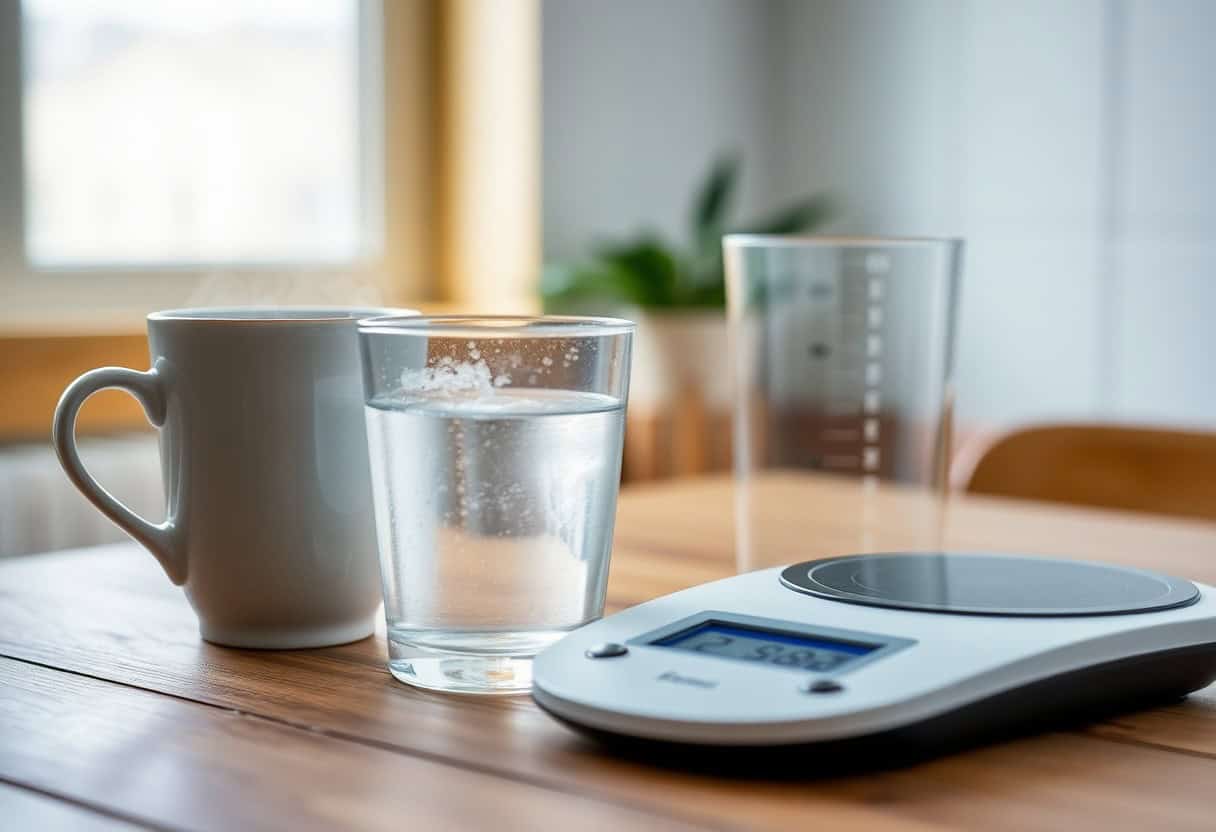
Coffee Dehydration Myth has lived rent-free in fitness advice for 30 years. The truth: coffee dehydration myth is busted by hydration research. Net fluid balance from moderate coffee dehydration myth intake is positive. Here are 7 proven hydration truths.
Table of Contents
TL;DR: The coffee dehydration myth has stuck around for decades — but the science is clearer than ever. Moderate coffee counts toward daily fluid intake. This guide walks through 7 proven hydration facts that bust the coffee dehydration myth once and for all, so you can stop worrying every time you reach for a cup. The coffee dehydration myth is officially debunked.
Table of Contents
With your morning coffee in hand, you might wonder if it’s secretly drying you out. Research shows that moderate coffee intake does not cause dehydration and contributes to your daily fluid needs. While caffeine has a mild diuretic effect, your body adapts, making the hydration risk minimal for regular drinkers.
Key Takeaways:
- Coffee does not cause significant dehydration despite its mild diuretic effect from caffeine.
- Regular coffee drinkers develop a tolerance to caffeine’s diuretic properties, making its impact on fluid balance minimal.
- Studies show that moderate coffee consumption (3-4 cups daily) contributes to daily fluid intake similarly to water.
- The body processes fluids from coffee almost as effectively as from non-caffeinated beverages over a 24-hour period.
- Dehydration from coffee is unlikely unless consumed in very high amounts or in extreme conditions like intense heat or prolonged exercise.
The Myth of the Dry Body
Origins of the Misconception
Coffee has carried a reputation for drying out the body since early 20th-century studies suggested its caffeine content acted as a strong diuretic. You may have heard this claim repeated at breakfast tables or gym sessions, reinforcing the idea that every cup pushes you closer to dehydration. However, those initial observations were based on high doses of isolated caffeine, not the typical consumption of brewed coffee. The leap from lab results to daily habits was misleading and oversimplified, creating a myth that has persisted far longer than the evidence supports.
How the Body Responds to Caffeine
Your kidneys adjust quickly when you consume caffeine regularly, reducing its diuretic effect over time. Research shows that people who drink coffee daily develop a tolerance, meaning the fluid loss from a morning latte is no greater than from drinking water. Even in occasional drinkers, the diuretic impact is mild and short-lived. The net hydration effect remains positive because the volume of liquid in coffee offsets any minor increase in urine production. You’re not draining your system-you’re contributing to it.
What Modern Science Says
Controlled studies comparing coffee to water have found no significant difference in hydration markers over 24 hours. In one trial, participants drinking moderate amounts of coffee-up to four cups a day-showed identical hydration levels to those who drank only water. These findings dismantle the long-held assumption that coffee sabotages your fluid balance. The truth is clear: moderate coffee consumption supports your daily fluid intake, not undermines it.
When Caution Makes Sense
Extreme intake-more than six cups in a short time-can trigger temporary fluid loss, especially in people sensitive to caffeine or those not used to it. In these cases, the body may produce more urine than usual, but this doesn’t equate to clinical dehydration. Still, balance matters. If you’re drinking large amounts of strong coffee without matching it with food or water, you might feel jittery or slightly lightheaded. That’s your cue to slow down, not proof the myth is true. Responsible consumption keeps hydration on track, even with caffeine in the mix.
The Way the Kidney Works
Filtration and Fluid Balance
Your kidneys filter about 120 to 150 quarts of blood each day, removing waste and excess fluid to produce roughly 1 to 2 quarts of urine. This process happens in microscopic units called nephrons, where blood passes through tiny filters known as glomeruli. What’s filtered out depends on your body’s current needs-electrolytes, water, and metabolic byproducts are adjusted dynamically. The kidneys respond rapidly to changes in hydration, altering urine concentration to maintain balance, whether you’ve just drunk a large glass of water or gone hours without fluids.
How Caffeine Influences Kidney Function
Caffeine does act as a mild diuretic by blocking a hormone called adenosine, which normally helps the kidneys reabsorb water. This means, in the short term, you may produce slightly more urine after drinking coffee. However, this effect is modest and diminishes quickly, especially if you consume coffee regularly. Your body adapts within a few days, so the diuretic impact becomes negligible. For most people, the fluid gained from drinking coffee offsets any small increase in urine output.
The Bigger Picture of Daily Hydration
You don’t rely on just one beverage to meet your hydration needs, and your kidneys are designed to handle a variety of inputs. Whether you drink water, tea, or coffee, your body adjusts its fluid processing accordingly. Long-term studies show no significant difference in hydration status between regular coffee drinkers and those who avoid caffeine. The kidneys prioritize stability, so occasional fluctuations in fluid intake rarely lead to dehydration. Your system is far more resilient than the old myth suggests.
The Truth about the Cup
What Your Morning Brew Actually Does
Coffee reaches your bloodstream quickly, and its caffeine content triggers a mild diuretic effect in some people. Yet, this doesn’t mean you’re losing more fluid than you’re gaining. Studies show that moderate coffee consumption-about 3 to 4 cups a day-contributes to your daily fluid intake just like water does. The net hydration effect is neutral or even positive, especially if you’re a regular drinker whose body has adapted to caffeine.
How Tolerance Changes the Game
Your body adapts to caffeine over time, reducing its diuretic punch. If you drink coffee daily, your kidneys respond less dramatically to caffeine’s signal to flush fluids. This means the more accustomed you are to coffee, the less it affects your hydration. Occasional drinkers might notice a slight increase in bathroom trips, but even then, the fluid loss rarely outweighs the volume of liquid consumed.
The Real Hydration Risk Isn’t What You Think
Overconsumption is where risks begin. Drinking six or more cups in a short time can lead to jitteriness, rapid heartbeat, and yes-increased urination. But the danger lies not in dehydration alone, but in exceeding safe caffeine limits set by health authorities. For most adults, that’s around 400 milligrams per day. Staying within this range keeps hydration balanced and side effects at bay.
What the Research Says About Fluid Balance
A 2014 study directly compared coffee and water in habitual male drinkers and found no significant difference in hydration markers over a 72-hour period. Even at high intakes, coffee didn’t tip the scales toward dehydration. These findings support what many health experts now agree on: coffee counts toward your daily fluid needs, not against them.
The Habit of the Drinker
How you consume coffee matters more than the beverage itself when it comes to hydration. If you’re someone who drinks a couple of cups each morning and maintains a balanced diet and fluid intake throughout the day, your body adapts to the caffeine. Regular consumption trains your system to process caffeine efficiently, minimizing any potential diuretic effect. This means your morning ritual likely isn’t putting you at risk for dehydration, especially if you’re not exceeding moderate intake.
Coffee becomes part of your daily rhythm, and your physiology responds accordingly. Studies show that people who drink coffee daily develop a tolerance to its mild diuretic properties, making the fluid loss negligible over time. In fact, research published in a comprehensive analysis found no evidence of dehydration with moderate daily coffee intake. For habitual drinkers like yourself, coffee contributes to your total daily fluid intake just like tea, juice, or water.
Your personal pattern of consumption shapes the outcome. Drinking four or more strong cups in a short period may temporarily increase urine output, but this doesn’t equate to sustained fluid loss. The body maintains fluid balance effectively, even with regular coffee use, as long as overall intake is consistent and excessive doses are avoided. You don’t need to eliminate your favorite drink to stay hydrated-moderation and routine are what truly matter.
The Man in the Heat
A Common Scenario
You’re hiking under a blazing sun, sweat trickling down your back, and you reach for your thermos of black coffee instead of water. It’s tempting to believe that this choice puts you at risk-after all, isn’t coffee a diuretic? The idea that caffeine pulls water from your body has been repeated for decades, making you cautious about drinking it when you’re already losing fluids. But here’s what actually happens: while caffeine does have a mild diuretic effect, it doesn’t override the fluid volume you consume in a typical cup of coffee.
The Body’s Adaptation
Your system adjusts quickly to regular caffeine intake, reducing any strong diuretic response over time. If you drink coffee daily, your kidneys treat it more like water than a dehydration trigger. Studies show that after just a few days of consistent consumption, the body develops a tolerance, meaning the fluid in your morning brew still contributes to your overall hydration. That means even in hot conditions, your usual coffee habit won’t sabotage your hydration status as long as you’re not drinking it in excessive amounts.
Real Risks in Extreme Conditions
There’s a limit, though. If you’re in extreme heat, exerting yourself heavily, and relying solely on strong espresso shots instead of water, you’re playing with fire-literally. In those rare cases, high doses of caffeine from multiple sources-energy drinks, pills, or very strong coffee-can increase urine output enough to tip the balance toward dehydration. But this isn’t about your regular cup; it’s about misuse. For most people in normal conditions, coffee remains a net positive for fluid intake, not a threat.
What the Research Says
A landmark study had participants drink four cups of coffee daily for several days, then measured their hydration markers against those who drank only water. The results? No significant difference in total body water, urine concentration, or electrolyte balance. This tells you something important: when consumed in moderation, coffee performs similarly to water in maintaining hydration. So the next time you sip your brew on a warm afternoon, know that you’re not drying out-you’re still adding to your fluid tally.
The Honest Choice
What Your Body Actually Experiences
Coffee does have a mild diuretic effect, especially when consumed in large amounts or by someone not used to caffeine. This increase in urine production is temporary and doesn’t lead to a net loss of fluid over the course of the day. Your kidneys adjust quickly, and after a few cups, the effect diminishes significantly. You’re not losing more water than you’re taking in-especially if you drink coffee regularly. The balance tips back toward hydration faster than most people assume.
Why the Myth Persists
People often link coffee with dry mouth or a slight headache and jump to the conclusion that dehydration is the cause. These symptoms are more likely tied to caffeine withdrawal or low blood sugar than fluid loss. Early studies that labeled coffee as dehydrating used extreme doses of caffeine, far beyond what most people drink in a typical morning. Modern research with real-world consumption patterns tells a different story-one that supports coffee as part of your daily fluid intake.
How to Make the Right Decision
You don’t need to avoid coffee to stay hydrated. For most adults, 3-4 cups a day contribute to your total fluid needs just like water, tea, or other beverages. The real issue arises when coffee replaces water entirely or is consumed in excess without attention to overall intake. Listen to your body: if you feel jittery, have trouble sleeping, or notice darker urine, it’s time to reassess-not because coffee dehydrates you, but because balance matters.
Final Words
With these considerations in mind, you now understand that coffee does not dehydrate you. While caffeine has mild diuretic properties, the fluid from your cup of coffee contributes to your daily hydration needs just like water or other beverages.
Your body adapts to regular caffeine intake, minimizing any fluid loss over time. Drinking coffee in moderation supports, rather than hinders, your hydration.
You can enjoy your daily brew without concern, as long as your overall fluid intake remains balanced.
Key Takeaways: Coffee Dehydration Myth
- The coffee dehydration myth ignores hydration math — a 240ml coffee delivers roughly 200ml of net fluid retention.
- Tolerance flips the coffee dehydration myth on its head — regular drinkers see almost no diuretic effect.
- Espresso behaves like water — the coffee dehydration myth doesn’t account for serving size or brew strength.
- Net hydration matters more than the coffee dehydration myth — count coffee toward your daily fluid intake without fear.
- Dehydration risks live elsewhere — exercise, heat, and alcohol matter more than the coffee dehydration myth ever did.
Apply Coffee Dehydration Myth Findings to Your Routine
Now that the coffee dehydration myth is settled, here are three more guides to drink coffee smarter:
- Coffee and anxiety — drink without the jitters
- Does coffee speed up your metabolism?
- Caffeine half-life — how long coffee stays in your system
For expert brewing standards behind the cup, see the Specialty Coffee Association.
Key Takeaways: Coffee Dehydration Myth
- The coffee dehydration myth dates to a single 1928 study that has since been disproven.
- Modern studies bust coffee dehydration myth — moderate intake is net hydrating.
- Caffeine tolerance buries coffee dehydration myth — daily drinkers see almost no diuretic effect.
- 5+ cups overrides coffee dehydration myth — at high doses some diuresis returns.
- Plain water still wins over coffee dehydration myth as a default — both fit a hydration plan.
Apply This Today
Replacing coffee dehydration myth worry with a hydration plan is simple: drink water on waking, coffee when you want it, and aim for clear-pale urine through the day.
- Coffee and brain health — overlaps with coffee dehydration myth
- Cold brew and coffee dehydration myth — same molecule, different feel
- Coffee and diabetes — separate from coffee dehydration myth
For authoritative coffee science, see the Specialty Coffee Association.
FAQs: Coffee Dehydration Myth
Q: Does drinking coffee cause dehydration?
A: No, drinking coffee does not cause dehydration. While caffeine is a mild diuretic, meaning it can increase urine production slightly, the fluid in coffee offsets this effect.
Regular coffee drinkers develop a tolerance to caffeine’s diuretic properties, so their bodies retain fluids similarly to when they drink water.
Studies show that moderate coffee consumption-about 3 to 4 cups per day-contributes to daily fluid intake just like other beverages.
Q: Can I count coffee toward my daily water intake?
A: Yes, you can count coffee toward your daily fluid needs. The idea that coffee doesn’t “count” as hydration is outdated.
Research from organizations like the European Food Safety Authority confirms that caffeinated drinks, including coffee, contribute to overall hydration.
As long as consumption is moderate and you’re not experiencing symptoms like excessive thirst or dark urine, coffee is a valid part of your fluid intake.
Q: How much coffee is too much when it comes to hydration?
A: Drinking more than 5 to 6 cups of coffee in a short time may begin to affect fluid balance in sensitive individuals.
High doses of caffeine-typically over 500-600 mg per day (about 5-6 cups of brewed coffee)-can lead to more noticeable diuretic effects, especially in people who don’t consume caffeine regularly.
For most people, normal coffee habits don’t disrupt hydration, but excessive intake might lead to increased urination and potential fluid loss.
Q: Does decaf coffee hydrate better than regular coffee?
A: Decaf coffee hydrates similarly to regular coffee, but without the mild diuretic effect of caffeine. Since decaf contains very little caffeine, it poses no risk of increased urine output.
However, regular coffee still hydrates effectively for most people. The difference in hydration between decaf and regular coffee is minimal for habitual drinkers, making both suitable choices for fluid intake.
Q: Why did people believe coffee was dehydrating in the first place?
A: Early studies observed that caffeine could increase urine output in small, short-term trials, leading to the assumption that coffee dehydrates.
These studies often used high doses of caffeine or participants who weren’t regular coffee drinkers, exaggerating the effect. Over time, more comprehensive research showed that these findings didn’t apply to everyday coffee consumption.
The myth persisted through repetition, but modern science supports coffee as a hydrating beverage when consumed in typical amounts.