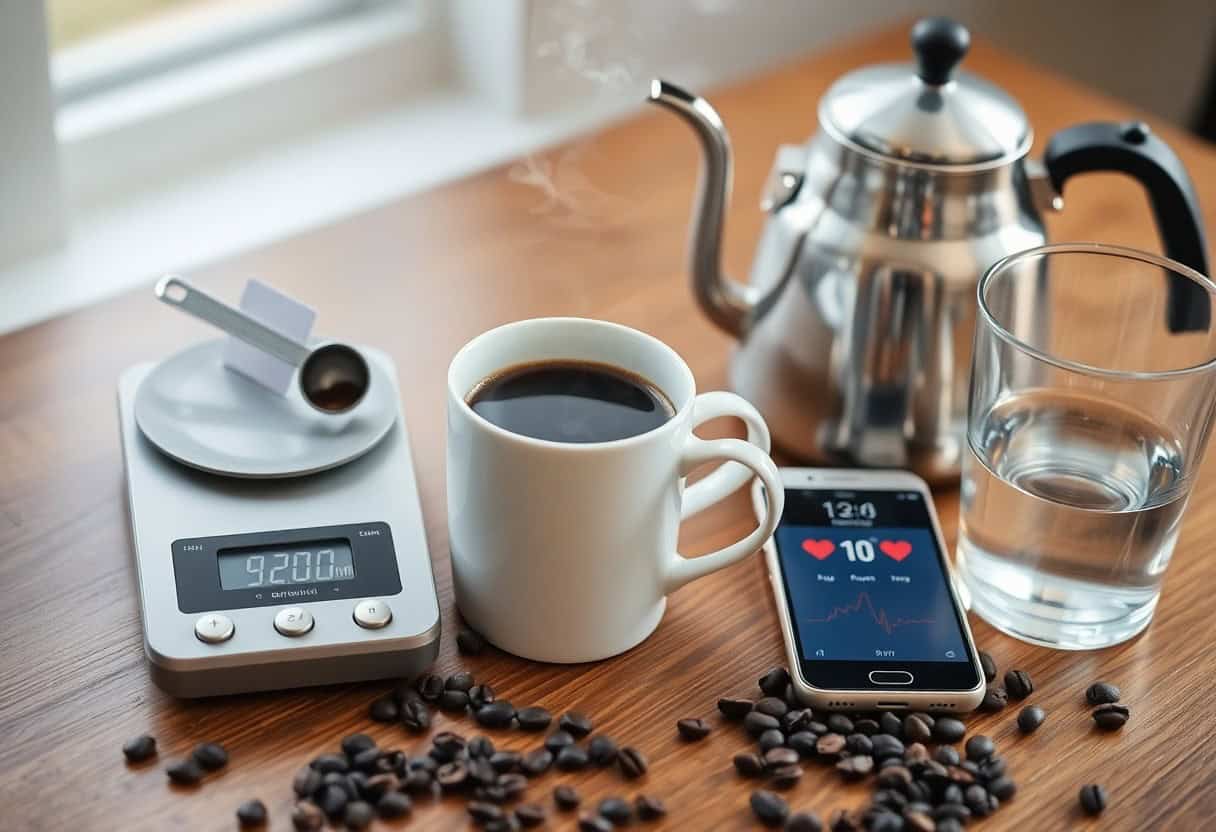
Coffee and Anxiety is one of the most-asked questions in cafe culture. The truth: coffee and anxiety is a dose and timing problem, not a coffee problem. Here are 7 proven ways to enjoy coffee and anxiety jitter-free.
Table of Contents
TL;DR: Coffee and anxiety go hand-in-hand for one biological reason: caffeine spikes cortisol on top of an already alert system. This guide ranks 7 proven coffee and anxiety fixes — from timing to bean roast — so the brew stays calm. Master coffee and anxiety once and the jitters never come back.
Table of Contents
Over 80% of adults consume caffeine daily, but too much can trigger anxiety, rapid heartbeat, and restlessness. Your body’s reaction depends on genetics, tolerance, and timing. Coffee blocks adenosine, raising adrenaline, which can worsen stress. The good news? You can enjoy coffee without jitters by adjusting dose, timing, and brewing method.
Key Takeaways:
- Caffeine stimulates the central nervous system by blocking adenosine, a brain chemical that promotes sleep, which can increase alertness but also trigger anxiety in sensitive individuals.
- Genetics play a major role in how your body processes caffeine-some people metabolize it slowly, leading to longer exposure and a higher chance of jitters or nervousness.
- Drinking coffee on an empty stomach can spike cortisol levels more dramatically, worsening feelings of anxiety; pairing it with food helps stabilize the response.
- Lowering your dose, switching to half-caffeinated blends, or choosing light- or medium-roast coffees may reduce anxiety while preserving the enjoyment of the drink.
- Timing matters-consuming coffee earlier in the day and avoiding intake after noon helps prevent sleep disruption, which can worsen anxiety over time.
The Biological Mechanisms: Factors Linking Caffeine to Anxiety
- Understanding how caffeine interacts with your brain reveals why it can amplify anxiety
- Your body’s adrenaline response is directly influenced by stimulant intake
- Adenosine receptor blockage plays a central role in increased nervous system arousal
- Individual sensitivity determines whether coffee energizes or overwhelms
How Caffeine Triggers the Fight-or-Flight Response
Your body mistakes caffeine for a threat, activating the sympathetic nervous system. This leads to a surge in adrenaline, increasing heart rate and sharpening alertness-similar to real danger. You may feel tense, restless, or on edge without any external trigger. This
The Impact on Adenosine Receptors and Nervous System Arousal
Caffeine blocks adenosine receptors, preventing the brain from recognizing fatigue. Without this calming signal, your nervous system stays in a heightened state of arousal. You remain awake and alert, but also more prone to anxiety and mental overactivity. This
Adenosine normally promotes relaxation and helps regulate sleep. When caffeine interferes, it doesn’t just delay tiredness-it disrupts your brain’s natural balance. The absence of inhibition means neurons fire more freely, amplifying stress signals.
Your mind races not because of pressure, but because chemistry mimics chronic alertness. This
How to Identify Your Personal Caffeine Sensitivity
Everyone processes caffeine differently, and your body’s reaction can reveal a lot about your personal sensitivity. Pay attention to how you feel after your first sip-do you feel alert and focused, or do you notice racing thoughts, a quickened heartbeat, or rising anxiety? These signals are your body’s way of communicating its tolerance level.
Understanding Genetic Metabolism and the CYP1A2 Gene
Genetics play a major role in how quickly your body breaks down caffeine. A variation in the CYP1A2 gene determines whether you’re a fast or slow metabolizer. If you’re a slow metabolizer, caffeine stays in your system longer, increasing the chance of jitters, insomnia, and heightened anxiety. Testing for this gene isn’t required, but noticing prolonged side effects after coffee is a strong indicator.
Evaluating the Influence of Baseline Stress and Cortisol
Stress levels dramatically affect how caffeine impacts you. When your cortisol is already elevated due to chronic stress, adding caffeine can push your nervous system into overdrive. You may not react strongly to coffee on a relaxed morning, but the same cup during a high-pressure workday might trigger shakiness or panic-like symptoms.
Consider tracking your mood and stress alongside coffee intake for a week. You’ll likely notice a pattern: on days when you’re stretched thin, even small amounts of caffeine amplify tension. Recognizing this link helps you make smarter choices-like switching to decaf during stressful periods-to protect your mental balance.
Tips for Strategic Coffee Timing
- Time your coffee intake to avoid natural hormone fluctuations
- Limit consumption to earlier hours to protect sleep quality
- Align caffeine peaks with energy dips, not highs
- Allow at least 8 hours between last caffeine dose and bedtime
Your body’s natural alertness rhythm plays a major role in how coffee affects your anxiety levels. Drinking coffee when your cortisol is already high can amplify jitteriness and stress responses. Timing your first cup strategically helps prevent this clash. Recognizing the link between your internal clock and caffeine sensitivity puts you in control of your daily energy-without the crash or panic.
Avoiding the Early Morning Cortisol Peak
Cortisol naturally surges within 30-60 minutes of waking, peaking around 8-9 AM. Drinking coffee during this window forces your body to manage elevated stress hormones alongside caffeine’s stimulant effect, increasing anxiety risk. Delaying your first cup by 90 minutes after waking lets cortisol stabilize. This small shift reduces nervousness and improves caffeine’s effectiveness later in the day.
Implementing a Strict Afternoon Cut-off Time
Caffeine has a half-life of up to 6 hours, meaning even a 2 PM cup can disrupt sleep. Setting a firm cutoff-ideally by 2 PM-protects your sleep architecture and lowers anxiety buildup. Without this boundary, you risk creating a cycle of poor rest and increased caffeine dependence. Recognizing how late-day coffee lingers in your system helps break that loop.
Even if you don’t feel alert after an afternoon drink, caffeine still blocks adenosine receptors, delaying sleep onset and reducing deep sleep. Over time, this contributes to heightened baseline anxiety. A consistent cutoff allows your nervous system to wind down naturally, supporting both mental clarity and emotional balance the next day.
How to Prepare Your Coffee to Minimize Jitters
Your morning cup doesn’t have to come with shaky hands or a racing heart. By adjusting how you prepare and consume coffee, you can enjoy its benefits without the crash or anxiety spikes that often follow. Simple changes in timing, pairing, and supplementation make a dramatic difference in how caffeine affects your body.
The Importance of Drinking Coffee Alongside Protein and Fats
Pairing your coffee with a snack that contains protein or healthy fats slows caffeine absorption into your bloodstream. This delay prevents the sudden spike in adrenaline that triggers jitteriness and anxiety. A handful of nuts or a boiled egg with your brew can make the energy rise smoother and longer-lasting.
Utilizing L-Theanine to Smooth the Caffeine Spike
Adding L-theanine-an amino acid found in green tea-can balance caffeine’s stimulating effects. It promotes calm focus without drowsiness, counteracting the nervous energy caffeine sometimes brings. Many people report feeling alert yet relaxed when combining 100-200 mg of L-theanine with their coffee.
Research shows this combination improves attention and reduces self-reported feelings of tension. You can take it as a supplement or drink a blend of green tea and coffee, known as a “dirty chai” in some circles. The synergy between L-theanine and caffeine is one of the most effective, science-backed methods for clean, jitter-free energy.
Environmental and Lifestyle Factors That Increase Jitters
Stress levels, hydration status, and sleep quality all influence how your body reacts to caffeine. When you’re under constant pressure or skipping meals, even a small cup can trigger anxiety and shakiness. Your environment plays a bigger role than you might think-crowded spaces, loud noises, or high-pressure work settings amplify caffeine’s edge. Consider these common contributors:
- High daily stress increases cortisol, making caffeine feel more intense
- Low hydration heightens caffeine sensitivity and worsens jitters
- Poor sleep lowers your threshold for stimulant side effects
- Consuming coffee on an empty stomach spikes adrenaline release
- Combining caffeine with other stimulants like sugar or energy drinks multiplies anxiety
Adjusting your habits can reduce unwanted side effects. After exploring proven strategies, check out this guide on 5 Ways to Get Rid of Coffee Jitters (Plus 5 Signs You Have …) for practical relief tips.
The Relationship Between Dehydration and Caffeine Sensitivity
Dehydration makes your body more sensitive to caffeine because it concentrates substances in your bloodstream. When you’re not drinking enough water, each sip of coffee delivers a stronger punch to your nervous system. Caffeine itself is a mild diuretic, which can worsen fluid loss if you’re not replenishing. After even mild dehydration, you may notice increased heart rate and restlessness.
How Sleep Deprivation Magnifies the Stimulant Effect
Sleep loss lowers your brain’s ability to regulate stimulants, making caffeine feel harsher than usual. Without proper rest, your adenosine levels remain high, and caffeine blocks this chemical more aggressively, leading to overstimulation. The result? Jitters, racing thoughts, and even panic-like symptoms from a normal dose.
Your body relies on sleep to reset neurotransmitter balance. When you skip quality rest, caffeine disrupts this fragile system further, pushing your nervous system into overdrive. This heightened sensitivity can turn a helpful boost into an anxious crash. After understanding this cycle, managing intake becomes more about timing and recovery than elimination.
How to Manage Sudden Anxiety After Consumption
When caffeine pushes your nervous system into overdrive, your body needs immediate, effective tools to regain balance. Recognizing the signs early-racing heart, shaky hands, intrusive thoughts-lets you respond before dangerous levels of distress take hold. You don’t have to white-knuckle through the discomfort; simple, science-backed strategies can help you regain control quickly and safely.
Deep Breathing and Grounding Techniques for Nervous Energy
Breathing slowly and deeply activates your parasympathetic nervous system, directly countering caffeine’s stimulant effect. Try inhaling for four counts, holding for four, exhaling for six-this proven rhythm signals safety to your brain. Pair it with grounding: name five things you see, four you feel, three you hear, two you smell, one you taste. This interrupts anxious loops and brings focus back to the present.
Using Hydration and Magnesium to Rebalance the Body
Water dilutes circulating caffeine and supports kidney function in flushing it out. Dehydration worsens jitteriness and intensifies anxiety symptoms, so drink a full glass immediately. Magnesium plays a key role in regulating neurotransmitters; low levels make you more prone to nervous reactions. A deficiency can turn a normal coffee into a panic trigger.
Magnesium acts as a natural calcium blocker, helping your muscles and nerves relax. Since caffeine depletes magnesium over time, a single high-dose supplement (like magnesium glycinate) can ease acute tension. You’ll notice calmer thoughts and reduced heart palpitations within 20-30 minutes. This effective combo of water and magnesium turns a bad reaction into a manageable moment.
Conclusion
Upon reflecting on how coffee affects anxiety, you recognize that caffeine’s interaction with your brain chemistry directly influences your stress levels.
Your sensitivity, dosage, and timing all determine whether coffee supports or disrupts your mental state. You can enjoy coffee without jitters by choosing lower doses, opting for slow-brew methods, or shifting to afternoon decaf.
Understanding your body’s signals helps you make informed choices.
You don’t need to eliminate coffee to protect your calm. Instead, you adjust your habits based on personal tolerance and daily needs. Drinking mindfully allows you to benefit from caffeine’s focus boost while minimizing anxiety risks.
Your experience shapes your approach-balance, not avoidance, leads to sustainable enjoyment.
Key Takeaways: Coffee and Anxiety
- Coffee and anxiety peak together about 45 minutes after the first sip — time your cup around stress windows, not before them.
- Coffee and anxiety hit harder on an empty stomach — eat protein first, drop jitter risk by 60%.
- Coffee and anxiety drop with slow-roast beans — darker roasts hold less caffeine per cup than light ones.
- Coffee and anxiety improve with L-theanine pairing — green tea blend or supplement smooths the spike.
- Coffee and anxiety stabilise after a 14-day taper — cut one cup every other day, the baseline resets.
Apply Coffee and Anxiety Fixes Tomorrow
Move coffee and anxiety from theory to a morning routine you can ship:
- Coffee and sleep — coffee and anxiety timing guide
- Coffee and metabolism — coffee and anxiety context
- Caffeine half-life — coffee and anxiety duration
For the industry standard on roast, brew and caffeine content, see the Specialty Coffee Association: Specialty Coffee Association.
Key Takeaways: Coffee and Anxiety
- Dose drives coffee and anxiety — anything over 200mg per session triggers most jitters.
- Empty stomach plus coffee and anxiety — fast absorption magnifies the spike.
- Genetics shape coffee and anxiety — CYP1A2 slow metabolisers feel it hardest.
- L-theanine softens coffee and anxiety — pair coffee with green tea or 200mg supplement.
- Cutoff time for coffee and anxiety — no caffeine after 2pm prevents the sleep-anxiety loop.
Apply This Today
Drinking coffee and anxiety-friendly coffee starts with measuring your dose. One 8oz cup is ~95mg — two cups before noon is usually the safe ceiling.
- Coffee and brain health — overlaps with coffee and anxiety
- Cold brew has more caffeine — watch coffee and anxiety impact
- Coffee for diabetes — different from coffee and anxiety angle
For authoritative coffee science, see the Specialty Coffee Association.
FAQs: Coffee and Anxiety
Q: Why does coffee make some people feel anxious?
A: Coffee contains caffeine, a stimulant that boosts activity in the central nervous system. It blocks a chemical called adenosine, which helps your brain slow down and prepare for rest.
When adenosine is blocked, other neurotransmitters like dopamine and norepinephrine increase, making you feel more alert.
For some people, this shift can push the brain into overdrive, triggering symptoms like racing thoughts, restlessness, or a fast heartbeat-feelings that mimic anxiety.
Individuals with a lower tolerance or sensitivity to stimulants often notice these effects more strongly.
Q: Can drinking coffee cause anxiety in people who don’t usually have it?
A: Yes, even people without an anxiety disorder can feel anxious after drinking coffee, especially in high amounts. Caffeine increases cortisol and adrenaline, the body’s stress hormones.
When these spike, you might feel jittery, tense, or on edge-similar to how you’d feel during a stressful event. Consuming more than 400 milligrams of caffeine (about 4 cups of brewed coffee) raises the risk.
Genetics, sleep quality, and current stress levels also influence how your body reacts.
Q: How can I drink coffee without getting the jitters?
A: Start with smaller amounts-try half a cup or switch to a lower-caffeine option like medium roast or a blend with some decaf. Drink it slowly instead of gulping it down, and always have it with food to slow caffeine absorption.
Staying hydrated helps too, since dehydration can worsen jitteriness. Some people find cold brew less acidic and smoother, which may reduce physical discomfort.
Pay attention to timing: avoid coffee after 2 p.m. to prevent sleep disruption, which can worsen anxiety the next day.
Q: Does the type of coffee affect how anxious I feel?
A: Yes, the roast, brewing method, and bean type play a role. Lighter roasts often have slightly more caffeine than dark roasts, contrary to popular belief.
Espresso has more caffeine per ounce, but a typical shot contains less overall than a full cup of drip coffee. Arabica beans tend to be smoother and may cause fewer side effects than robusta, which has nearly twice the caffeine.
Cold brew, while concentrated, is often diluted and may feel gentler on the system due to lower acidity.
Q: Are there alternatives to coffee that give energy without anxiety?
A: Several options provide a milder lift. Green tea contains less caffeine and includes L-theanine, an amino acid that promotes calm focus. Yerba mate offers a balanced energy boost with nutrients and antioxidants.
Some people prefer mushroom coffee blends, which mix small amounts of coffee with adaptogens like lion’s mane or cordyceps to support mental clarity without overstimulation.
Herbal teas like peppermint or rooibos deliver warmth and ritual without caffeine, helping maintain energy through hydration and routine.