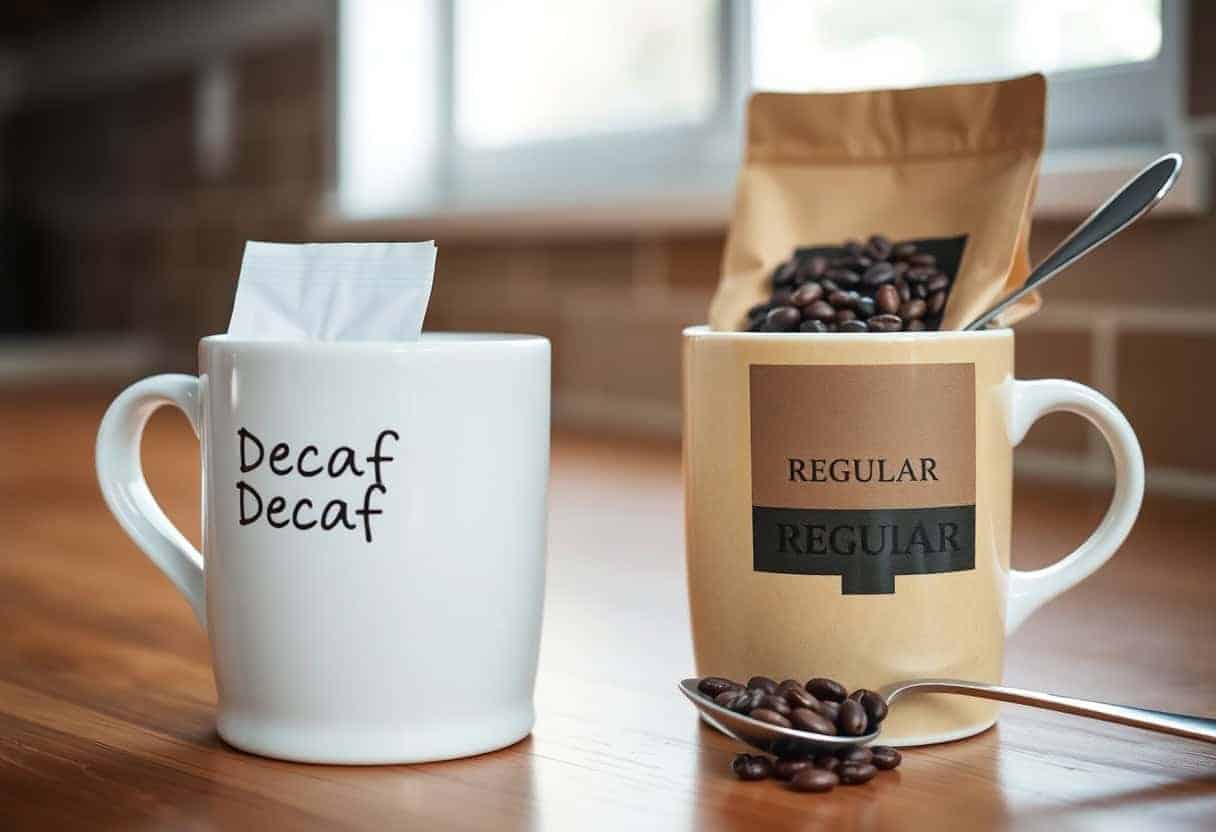
TL;DR — Decaf Vs Regular Coffee — both have antioxidants, both can be tasty, but caffeine, processing, and price differ. Here’s what to pick when, plus 5 honest differences in the decaf vs regular coffee debate.
Table of Contents
Coffee shapes your daily routine, but choosing between decaf and regular affects your health in key ways. Regular coffee delivers a powerful caffeine boost that sharpens focus, yet may trigger anxiety or sleep disruption. Decaf removes most caffeine, reducing these risks, but retains antioxidants that support long-term wellness.
Key Takeaways:
- Decaf coffee contains significantly less caffeine than regular coffee-usually about 2-5 mg per cup compared to 70-140 mg-making it a better option for people sensitive to caffeine or those who experience anxiety, insomnia, or heart palpitations.
- Regular coffee offers a stronger mental alertness boost due to its caffeine content, which can enhance focus, reaction time, and mood, but excessive intake may lead to jitteriness or disrupted sleep.
- Both decaf and regular coffee contain antioxidants like chlorogenic acid, which support cellular health, though regular coffee typically has slightly higher levels due to less processing.
- Decaf is made by removing caffeine from coffee beans using water, solvents, or carbon dioxide; while the process is safe, some methods may leave trace residues, though within regulated limits.
- For people with acid reflux or GERD, decaf may be easier on the stomach, as caffeine can relax the lower esophageal sphincter and increase acid production.

The Bean and the Heat
How Processing Affects Your Cup
Every sip you take carries the imprint of how the beans were treated long before they reached your grinder. The method used to decaffeinate coffee can significantly alter its chemical profile, and not all processes are created equal. Some decaf methods use solvents like methylene chloride or ethyl acetate, which, while generally recognized as safe in trace amounts, may leave behind residues that concern health-conscious drinkers. Water processing and the Swiss Water Method, on the other hand, rely solely on osmosis and activated charcoal filters, removing caffeine without chemicals. This makes them a cleaner, more natural option-especially if you’re sensitive to additives or prefer minimal intervention in your food.
Roasting’s Role in Flavor and Health
Heat transforms raw green beans into the aromatic brew you depend on each morning. During roasting, hundreds of chemical reactions occur, developing flavor while also influencing antioxidant levels. Dark roasts, whether decaf or regular, tend to have slightly lower acidity, which may benefit those with sensitive stomachs. However, prolonged exposure to high heat can degrade certain beneficial compounds like chlorogenic acid, a powerful antioxidant more abundant in lighter roasts. You don’t need to choose the darkest roast thinking it’s gentler on your gut-balance matters. The key is recognizing that roast level affects both taste and health properties, regardless of caffeine content.
What Your Brewing Method Adds (or Takes Away)
Brewing isn’t just about strength-it’s a final stage where chemistry meets preference. The temperature of your water, the grind size, and the brew time all influence how much caffeine, oils, and antioxidants end up in your cup. Boiling water extracts more caffeine and more flavor compounds, but it can also pull out bitter elements if not controlled. Paper filters, commonly used in drip coffee, trap a substance called cafestol, which can raise LDL cholesterol. This means filtered coffee-especially paper-filtered decaf-might be a smarter heart-healthy pick. If you use a French press or espresso machine, you’re getting more of the bean’s natural oils, which adds richness but also potential cardiovascular concerns over time.
The Jolt of Caffeine
How Caffeine Works in Your Body
Caffeine reaches your bloodstream within minutes of your first sip, quickly making its way to your brain. There, it blocks adenosine, a chemical that promotes sleep and relaxation, effectively keeping you alert and awake. This interference tricks your body into feeling energized, even when you’re running low on rest. Your dopamine and norepinephrine levels also rise, enhancing focus, mood, and reaction time. For many, this mental boost is the entire reason for reaching for coffee each morning.
The Upside of Alertness
You’ve likely experienced sharper concentration and improved productivity after a cup of regular coffee. That’s not just in your head-studies confirm caffeine enhances cognitive performance, especially during fatigue. Improved memory, faster processing, and greater attention span are real benefits tied to moderate caffeine intake. Athletes use it to increase endurance, and night-shift workers rely on it to stay vigilant. When used wisely, caffeine can be a powerful ally in your daily routine.
The Downside of Overstimulation
Too much caffeine can push your nervous system into overdrive, leading to jitteriness, rapid heartbeat, and even anxiety. Some people are more sensitive than others, and exceeding 400 milligrams a day-about four cups of brewed coffee-can trigger dangerous side effects like insomnia or elevated blood pressure. If you’re prone to panic attacks or have heart concerns, that midday refill might do more harm than good. Listening to your body’s signals is key.
Withdrawal and Dependence
Regular consumption can lead to physical dependence, meaning your brain starts to rely on caffeine just to function normally. When you skip your usual dose, headaches, fatigue, and irritability often follow-classic signs of withdrawal. These symptoms can begin within 12 to 24 hours and last for days. Breaking the cycle requires patience, but many find their energy stabilizes once they reduce reliance on artificial stimulation.
The Quiet Cup
What You’re Really Giving Up
Caffeine is the main reason most people reach for coffee, but decaf offers a different experience-one that doesn’t disrupt your nervous system. When you choose decaf, you’re removing the stimulant that can trigger anxiety, disrupt sleep, and increase heart rate. For those sensitive to caffeine or managing conditions like hypertension or insomnia, this switch can make a meaningful difference. You still get the rich aroma and flavor profile of your favorite roast, just without the jittery aftermath.
The Hidden Trade-Offs
Decaf isn’t just regular coffee with the caffeine scooped out-it’s a product of a specific extraction process. Some methods use chemical solvents like methylene chloride or ethyl acetate, which raises concerns for certain consumers. While regulatory agencies consider trace residues safe, you may prefer water-processed or CO2-processed decaf to avoid any exposure to synthetic chemicals. Knowing how your beans were decaffeinated gives you more control over what ends up in your cup.
How It Affects Your Body Differently
Your digestive system may respond differently to decaf, especially if you’re prone to acid reflux. Studies suggest that decaffeinated coffee can still stimulate gastric acid production, though often to a lesser degree. On the flip side, decaf has been linked to potential benefits for liver health and may carry a lower risk of triggering migraines in sensitive individuals. It’s not a neutral beverage-its effects are simply quieter, more subtle.
When Silence Serves You Best
There are moments in your day when clarity matters more than alertness. After dinner, during a late-night conversation, or when you need to wind down, decaf becomes more than just a substitute-it becomes a deliberate choice. You’re not chasing energy; you’re savoring ritual without consequence. In these moments, the quiet cup isn’t a compromise. It’s a smarter, more intentional way to enjoy coffee without paying for it in sleepless nights or elevated stress.
What the Body Keeps
How Caffeine Lingers in Your System
Your body processes caffeine quickly, but its effects can last much longer than you might expect. After drinking regular coffee, caffeine reaches peak levels in your bloodstream within 30 to 45 minutes, and half of it can still be present six hours later. This means a mid-afternoon latte could still be affecting your sleep at bedtime. Sensitivity varies-some people feel jittery for hours, while others fall asleep easily despite late-day consumption. For you, this lingering stimulation might interfere with rest, stress response, or even heart rate regulation without obvious immediate signs.
What Decaf Means for Daily Intake
Decaf coffee isn’t completely free of caffeine, but it contains significantly less-typically 2 to 5 milligrams per cup compared to 80 to 100 in regular brew. This small amount means your body isn’t subjected to the same cycle of stimulation and crash, making decaf a steadier choice for sustained energy without the edge. If you’re sensitive to caffeine or managing conditions like anxiety or high blood pressure, switching to decaf can reduce strain on your nervous system. Some people question the appeal, asking what’s the point of drinking decaf coffee?-but for many, the benefit lies in enjoying the ritual and flavor without the physiological toll.
The Long-Term Impact on Your Health
Over time, your body adapts to regular caffeine intake, often requiring more to achieve the same alertness-a cycle that can lead to dependency. Choosing decaf breaks this pattern, allowing your natural energy rhythms to reset. Long-term reliance on high caffeine levels may contribute to adrenal fatigue, digestive issues, and increased cortisol, especially if consumed on an empty stomach or in excess. Decaf offers a way to maintain your coffee habit while reducing these risks. You don’t have to give up your morning routine to support better hormonal balance and cardiovascular health-just reconsider what’s in your cup.
The Antioxidant War
What Antioxidants Do in Your Body
You’ve likely heard that antioxidants are good for you, but what they actually do matters more than the buzzword suggests. These compounds neutralize free radicals-unstable molecules that can damage cells and contribute to aging and diseases like cancer and heart conditions. Coffee, whether decaf or regular, is one of the top sources of antioxidants in the average Western diet, often surpassing fruits and vegetables combined on a daily intake basis. Chlorogenic acid, caffeic acid, and melanoidins are among the key antioxidants found in your cup, working quietly to reduce oxidative stress with every sip.
Decaf vs. Regular: Antioxidant Levels Compared
Regular coffee typically contains slightly higher levels of antioxidants than decaf, but the difference isn’t as large as you might assume. The decaffeination process removes some, but not all, of the beneficial compounds-especially when methods like the Swiss Water Process or CO₂ extraction are used, which are gentler on the bean’s chemistry. Studies show decaf still retains up to 95% of its original antioxidant capacity, meaning you’re not sacrificing much in terms of cellular protection. If you’re avoiding caffeine due to anxiety, insomnia, or digestive sensitivity, decaf remains a strong contender in the health stakes.
Health Outcomes Linked to Antioxidant Intake
Your long-term health can benefit significantly from consistent antioxidant exposure, regardless of caffeine content. Research connects regular coffee consumption-both decaf and regular-to a lower risk of type 2 diabetes, liver disease, and neurodegenerative conditions like Parkinson’s and Alzheimer’s. These protective effects are largely attributed to the antioxidant profile, not caffeine alone. In fact, some studies suggest decaf may offer comparable protection for liver enzymes and insulin sensitivity, proving that the health perks of coffee extend far beyond its ability to keep you awake.
Choosing Your Side
Listen to Your Body’s Signals
Your body often knows what it needs before your mind catches up. If you’ve noticed jitteriness, trouble sleeping, or increased heart rate after your morning cup, caffeine sensitivity might be affecting you more than you realize. Regular coffee can enhance focus and energy for many, but for others, it triggers anxiety or digestive discomfort. Pay attention to how you feel two to three hours after drinking coffee-this is when peak caffeine effects occur. Choosing decaf could mean fewer side effects and more consistent energy without the crash.
Consider Your Health Goals
Coffee influences more than just alertness-it interacts with your long-term health. If you’re managing high blood pressure, anxiety disorders, or GERD, regular coffee may worsen symptoms due to its stimulant and acidic properties. Decaf offers many of the same antioxidants without the physiological strain. On the flip side, if you rely on caffeine to maintain concentration during long workdays or intense workouts, eliminating it entirely might reduce performance. Your personal health picture-not general advice-should guide this decision.
Don’t Overlook the Quality Factor
The method used to decaffeinate coffee matters more than most people assume. Some processes involve chemical solvents like methylene chloride or ethyl acetate, while others use water or carbon dioxide. CO2 and Swiss Water methods are safer and preserve more flavor, making them better choices for health and taste. With regular coffee, you’re likely already prioritizing bean origin and roast quality-apply the same scrutiny to decaf. A well-made decaf can be just as rich and satisfying, minus the buzz.
Balance Is Possible-You Don’t Have to Pick One Forever
Your needs can change with seasons, stress levels, or life stages. Maybe you drink regular coffee in the morning during busy workweeks but switch to decaf in the afternoon or on weekends. This flexible approach lets you enjoy benefits while minimizing risks. There’s no permanent allegiance required. Tuning into your energy levels, sleep quality, and mood over time will show you which version supports your well-being most-today, next month, or next year.
Final Words
Now you understand that both decaf and regular coffee offer benefits depending on your health and lifestyle. Regular coffee provides a mental boost from caffeine and is rich in antioxidants, but it may disrupt sleep or increase anxiety for some.
Decaf gives you the flavor and many of the same health perks without the stimulant, making it a smart choice if you’re sensitive to caffeine or drink coffee later in the day.
Your ideal pick depends on how your body responds and what you need from your cup.
Key Takeaways: Decaf Vs Regular Coffee
- Decaf Vs Regular Coffee caffeine gap is real but smaller than people think — decaf still has 2-7mg per cup.
- Both halves of the decaf vs regular coffee debate retain antioxidants — chlorogenic acid survives decaffeination.
- Health profile of decaf vs regular coffee is broadly similar at 1-2 cups a day.
- Decaf Vs Regular Coffee processing methods matter — Swiss Water decaf preserves flavour without solvents.
- Pick decaf when sleep, anxiety, or pregnancy drive decaf vs regular coffee choices; regular when energy is the goal.
Apply Decaf Vs Regular Coffee Insights to Your Routine
Pair decaf vs regular coffee understanding with these timing and brewing guides.
- Caffeine half-life — how long coffee stays in your system
- Coffee and sleep — how late is too late
- Coffee and cholesterol — filtered vs unfiltered
For roast and brewing standards across the decaf vs regular coffee spectrum, see the Specialty Coffee Association.
FAQs: Decaf Vs Regular Coffee
Q: What’s the main difference between decaf and regular coffee?
A: The primary difference lies in the caffeine content. Regular coffee contains caffeine, a natural stimulant that affects the central nervous system, while decaf has most of the caffeine removed-typically around 97% or more.
A standard 8-ounce cup of regular coffee has about 70-140 milligrams of caffeine, whereas decaf usually contains 2-5 milligrams.
The decaffeination process happens before roasting and uses methods like water, organic solvents, or carbon dioxide to extract caffeine from green coffee beans.
Q: Does decaf coffee have any health benefits?
A: Yes, decaf still retains many of the antioxidants found in regular coffee, such as chlorogenic acid, which may support cellular health and reduce inflammation.
People who drink decaf may still experience a lower risk of type 2 diabetes, liver disease, and certain neurological conditions.
Since it lacks significant caffeine, decaf can be a better option for those sensitive to stimulants, including people with anxiety, insomnia, or heart palpitations, allowing them to enjoy coffee’s benefits without the jittery side effects.
Q: Is decaf coffee bad for you because of the chemicals used in decaffeination?
A: Most decaf coffees are safe to drink. The decaffeination methods approved for use in the U.S. and Europe meet strict safety standards.
Solvent-based methods use ethyl acetate or methylene chloride, but the final product contains only trace amounts, well below what’s considered harmful.
Water processing and the carbon dioxide method avoid chemical solvents altogether and are often labeled as “naturally decaffeinated.” If chemical use is a concern, look for brands that specify their decaffeination method on the packaging.
Q: Can drinking regular coffee negatively affect your health?
A: For most healthy adults, moderate coffee consumption-about 3 to 4 cups per day-is safe and may offer health benefits.
However, too much caffeine can lead to trouble sleeping, increased heart rate, digestive issues, or heightened anxiety in sensitive individuals.
Pregnant women are often advised to limit caffeine to under 200 milligrams daily due to potential risks to fetal development. People with uncontrolled high blood pressure or certain heart conditions may also need to monitor their intake.
The effects vary widely from person to person.
Q: Which is better for long-term health-decaf or regular coffee?
A: Both types have been linked to positive long-term health outcomes. Studies show regular coffee drinkers may have a lower risk of Parkinson’s disease, liver cancer, and type 2 diabetes, likely due to antioxidants and caffeine’s effects.
Decaf offers similar protective benefits for liver and metabolic health, minus the stimulant effects. The “better” choice depends on individual health needs.
Someone with sleep issues or caffeine sensitivity may benefit more from decaf, while another person might thrive on the alertness from regular coffee. There’s no one-size-fits-all answer.